Water is essential to life on Earth. From the highest misty mountaintops to the deepest ocean basins, water is in constant motion, cycling through its various forms. This continuous movement and transformation of water throughout the Earth’s atmosphere, surface, and subsurface environments is known as the hydrologic cycle—an intricate, vital system without which life as we know it would not exist. In this article, we will delve into the complexities of the hydrologic cycle, explore its various components, and understand why it is so critical to every aspect of our world.
What is the Hydrologic Cycle?
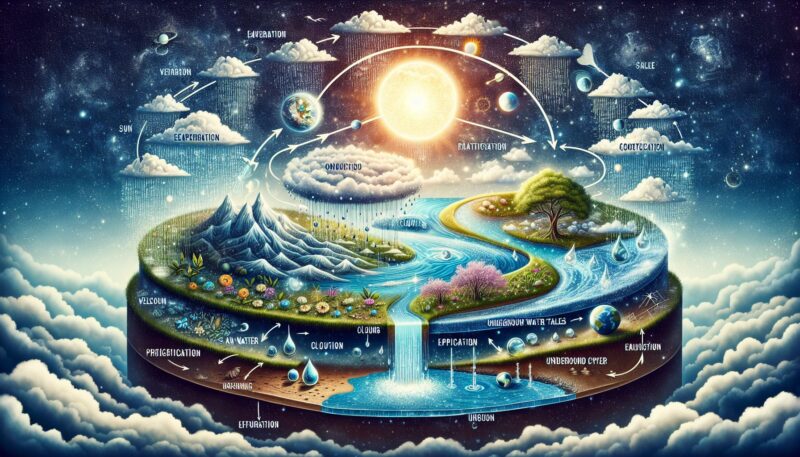
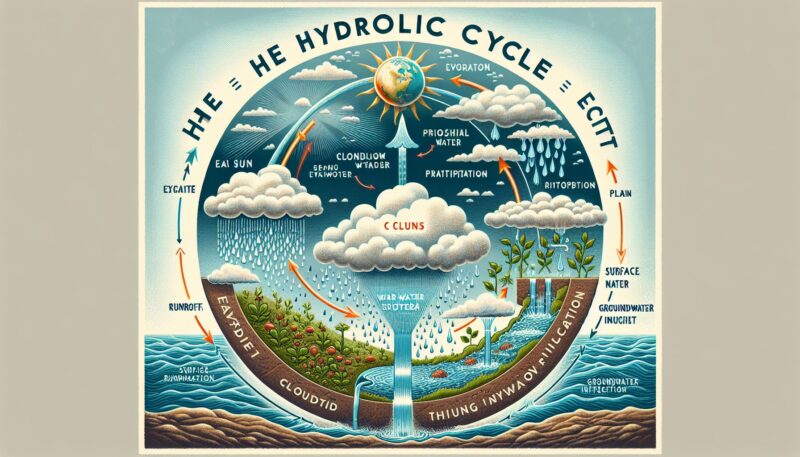
The hydrologic cycle, also known as the water cycle, describes the continuous movement of water on, above, and below the surface of the Earth. This cycle is driven by solar energy and involves several key processes: evaporation, transpiration, condensation, precipitation, infiltration, percolation, runoff, and groundwater flow. Each of these processes contributes to the distribution of water throughout the planetary system, influencing climate, shaping landscapes, and supporting the vast array of life.
Evaporation and Transpiration: Water’s Ascent
At the beginning of the hydrologic cycle is evaporation—the process by which water changes from a liquid to a gas or vapor. Heated by the sun, water from oceans, rivers, lakes, and soil evaporates into the atmosphere, joined by water released from plants through transpiration. Together, these processes account for the transfer of vast amounts of water vapor into the sky and are often referred to collectively as ‘evapotranspiration.’
Condensation: The Formation of Clouds
As water vapor rises and encounters cooler temperatures in the higher atmosphere, it begins to condense, forming tiny droplets of water or ice crystals that clump together to become clouds. This phase of the hydrologic cycle sets the stage for precipitation.
Precipitation: Water’s Return to Earth
Precipitation occurs when these droplets or crystals grow too heavy to remain suspended in the atmosphere, falling to Earth’s surface as rain, snow, sleet, or hail. Precipitation replenishes water in rivers, lakes, and the soil, providing the fresh water necessary for ecosystems and human uses.
Infiltration and Percolation: The Earth’s Thirst Quenched
Upon reaching the land, water either flows along the surface as runoff or penetrates the ground through infiltration. Once it infiltrates the soil, water continues its journey downward through percolation, moving through the soil and porous rock layers until it reaches the groundwater reservoirs, or aquifers, below.
Runoff and Streamflow: Water on the Move
Runoff is the portion of precipitation that flows over the land’s surface towards streams, rivers, and eventually the oceans. This movement of water may include surface runoff, interflow (water moving laterally just below the surface), and baseflow (groundwater that enters rivers and streams). Together, these create the streamflow that outlines the patterns of our rivers and streams.
Groundwater Movement: The Hidden Reservoir
Much of the Earth’s freshwater is stored underground as groundwater, which can move slowly through aquifers, feeding springs, rivers, and wetlands. Groundwater reservoirs are a critical source of water for agriculture, industry, and human consumption, especially in regions where surface water is scarce.
The Global Importance of the Hydrologic Cycle
The hydrologic cycle is a global system with regional expressions. It influences weather and climate patterns, affects soil moisture and groundwater levels, and is instrumental in the cycling of nutrients. It also plays a vital role in sculpting the Earth’s landscape over geological timescales through processes of erosion and deposition.
Human Interactions with the Hydrologic Cycle
Human activities can have profound effects on the hydrologic cycle. Urbanization, deforestation, agriculture, and climate change can alter the natural flow of water, impacting its quality and availability. Issues like water scarcity, pollution, and extreme weather events such as floods and droughts are interlinked with human disruptions to the water cycle.
Preserving the Cycle: Conservation and Sustainable Management
To safeguard the future availability of water resources, it is essential to practice water conservation and manage water sustainably. Technological solutions, like advanced water treatment methods (e.g., reverse osmosis, ozonation, and UV irradiation) and water distribution systems, are part of the effort to ensure that clean water is available where and when it is needed.
Furthermore, initiatives like rainwater harvesting, greywater reuse, and the maintenance of green infrastructure (like wetlands) enhance the natural processes of the hydrologic cycle, contributing to replenishing aquifers and water bodies.
Conclusion: Embracing Our Role in the Hydrologic Cycle
By understanding and respecting the hydrologic cycle, we can more effectively manage water resources for the benefit of all life on Earth. It’s not merely a scientific concept but the foundation upon which ecosystems and human civilizations are built. Ensuring the health of the hydrologic cycle is tantamount to securing a sustainable future for generations to come.
To learn more about the hydrologic cycle and the challenges it faces, one might refer to resources provided by the United States Geological Survey (USGS) and the Environmental Protection Agency (EPA).
Through the collaborative effort of scientists, policymakers, industries, and communities, we can work towards maintaining the balance of the critical yet delicate hydrologic cycle. In doing so, we not only preserve the environment but also uphold the essence of life itself—the unending, graceful waltz of water around our Blue Planet.