Category: Main

The Hydrologic Cycle: Nature’s Incredible Systems of Water Movement

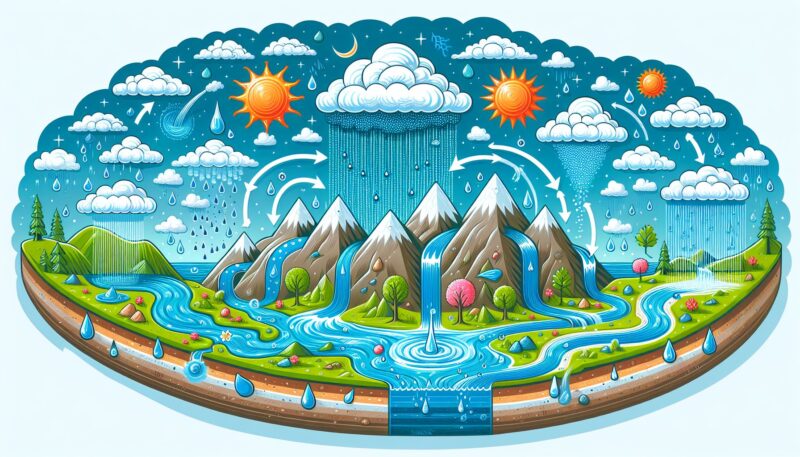
Water is the lifeblood of our planet, and its movement through various phases and locations is known as the hydrologic cycle. This remarkable system is essential for sustaining ecosystems, supporting agriculture, and providing the water needed for daily human activities. The hydrological cycle, also commonly referred to as the water cycle, is a continuous process whereby water circulates from the Earth’s surface to the atmosphere and back again.

Understanding the Hydrologic Cycle

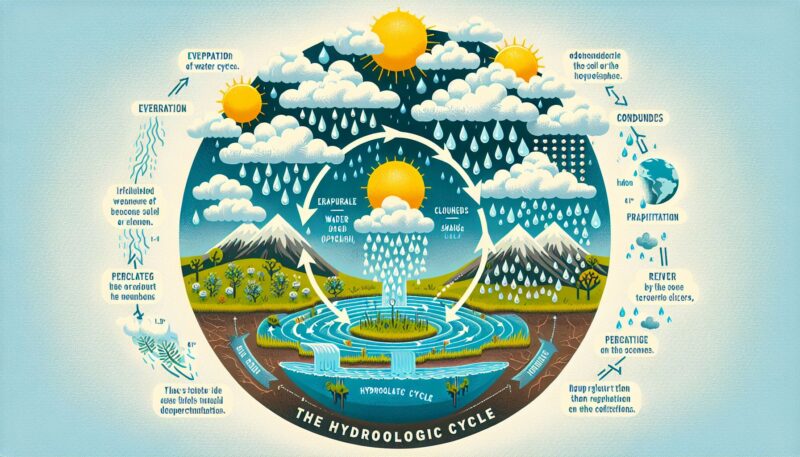
At the heart of earth’s hydrologic cycle are six key processes: evaporation, transpiration, condensation, precipitation, infiltration, and runoff. Together, these natural mechanisms ensure that water is always on the move, changing states between liquid, vapor, and ice.

Evaporation

As the sun warms bodies of water, such as rivers, lakes, and oceans, water molecules gain enough energy to escape into the air as vapor, a process known as evaporation. Additionally, water can also evaporate from the soil and other surfaces like pavements and buildings.

Transpiration

Plants also play a significant role in the hydrologic cycle through transpiration. Water absorbed by plant roots from the soil eventually moves up through the plant and evaporates from leaves, stems, and flowers into the atmosphere.

Condensation

When water vapor rises and cools in the atmosphere, it transforms back into liquid water droplets, forming clouds. This process is known as condensation. If the droplets become heavy enough, they’ll fall back to the Earth’s surface as precipitation.

Precipitation

Precipitation occurs when condensed water in the atmosphere falls to the ground in the form of rain, snow, hail, or sleet. The type of precipitation depends on the temperature of both the atmosphere and the Earth’s surface.

Infiltration and Percolation

Once precipitation hits the ground, it doesn’t just stay there. Some of it seeps into the soil through a process called infiltration. The water that penetrates the soil and moves downward through voids or pores in the soil or rock is engaging in percolation.

Runoff and Streamflow

Not all water that falls as precipitation infiltrates the ground. Some of it, particularly when there’s excessive rainfall or the ground is saturated or impervious, travels over the surface as runoff. This water eventually accumulates in streams and rivers, contributing to what is known as streamflow or river flow.

Baseflow and Groundwater

Some water that infiltrates the ground replenishes the groundwater and becomes baseflow, which is the portion of the river flow that is provided by the groundwater seeping into the banks and beds of rivers and streams.

Aquifers and Recharge

Groundwater accumulates in geological formations called aquifers that store and transmit water. The process by which water from precipitation or runoff permeates an aquifer is known as recharge.

Discharge

Discharge is the flow or pumping of water from aquifers to the Earth’s surface or into another water body.

Importance of the Hydrologic Cycle

The hydrologic cycle is critical for the distribution of fresh water across the planet. Without it, ecosystems would not receive the necessary sustenance for plant and animal life, and human societies wouldn’t have the essential resource they need for agriculture, industry, and domestic use.

Key Aspects of the Hydrologic Cycle

Watersheds and Catchments

A watershed or catchment is an area of land that drains all precipitation received as runoff or baseflow into a particular river or set of rivers. Understanding the boundaries of these areas is essential for water management and conservation.

Rivers, Lakes, and Reservoirs

Rivers and lakes are important components of the hydrologic cycle, acting as conduits and temporary storage points for water. Humans create reservoirs by building dams across rivers, which store water for various uses, such as electricity generation, flood control, and irrigation.

Wetlands and Estuaries

Wetlands and estuaries are vital areas where water is purified through natural processes, biodiversity flourishes, and excess nutrients are absorbed, preventing eutrophication in downstream water bodies.

Glaciers and Icebergs

Glaciers serve as long-term reservoirs of freshwater, while icebergs, which break away from glaciers, slowly release fresh water into the ocean as they melt.

Snowpack and Permafrost

The accumulation of winter snowpacks provides a steady release of water during warmer months, particularly in mountainous regions. Permafrost regions store vast amounts of ice that, when thawed due to climbing temperatures, can significantly affect the hydrologic cycle and local ecosystems.

Human Impact on the Hydrologic Cycle

Human activities have substantial effects on the hydrologic cycle. The following aspects highlight the critical areas where human-induced changes play a significant role:

Water Pollution

Water pollution from agricultural runoff, industrial discharges, and improper waste disposal can degrade the quality of both surface water and groundwater. Contaminants such as heavy metals, nutrients, pathogens, and microplastics pose a threat to ecosystems and human health.

Water Treatment and Distribution

To ensure the water is safe for human consumption, it undergoes various treatment processes such as filtration, disinfection (like chlorination and UV irradiation), coagulation, flocculation, sedimentation, adsorption, and ion exchange. After treatment, water is distributed via a complex pipe network, involving pumping stations, water towers, and maintenance via leak detection.

Water Conservation Measures

Water conservation is crucial to manage supply and demand, especially in water-stressed regions. Practices like rainwater harvesting and greywater reuse can significantly reduce freshwater usage.

Drought and Flood Management

Droughts and floods can have devastating effects, so managing the impacts of extreme weather conditions on the hydrologic cycle is essential for mitigating damage to communities and agriculture.

Water Diplomacy and Conflicts

As water becomes scarcer, water diplomacy becomes a critical tool in preventing conflicts over water resources and ensuring fair distribution for all users. Water conflict is an increasing global risk, where transboundary water cooperation is essential for regional peace and security.

James L. et al. (2015). The Water Cycle, National Oceanic and Atmospheric Administration (NOAA)

Water Science School. (2020). The Water Cycle, United States Geological Survey (USGS)

United Nations World Water Assessment Programme. (2019). World Water Development Report, UN-Water

The hydrologic cycle illustrates the intricate and interdependent relationships among various environmental systems
Unveiling the Mysteries of Groundwater: Our Invisible Treasure

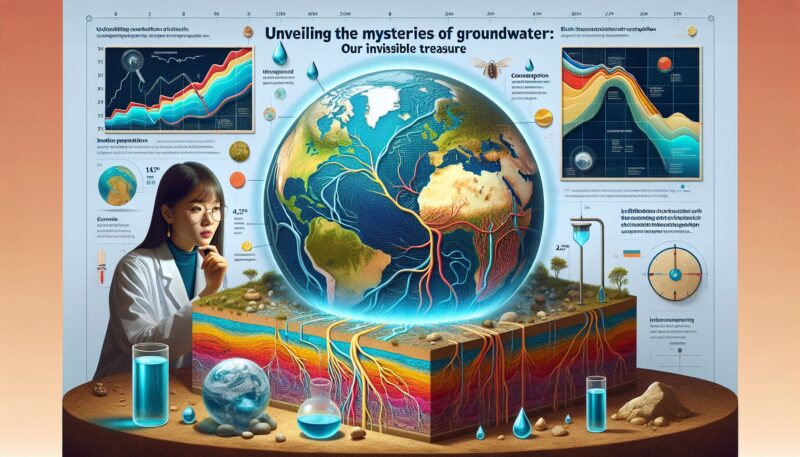
Groundwater is often out of sight and out of mind, yet it is a crucial component of our lives and the environment. As an essential resource beneath the Earth’s surface, it supports ecosystems, sustains agriculture, and provides drinking water to billions. This hidden treasure is at the core of the hydrologic cycle, influencing water bodies above the ground and maintaining the equilibrium of the hydrosphere. In this comprehensive article, we will delve into the intricacies of groundwater, its significance, how it interacts with other elements of the hydrologic cycle, and the challenges it faces.

What is Groundwater?

Groundwater is the water that permeates through soil and rock, filling the porous spaces underground. It accumulates in aquifers, which are geological formations capable of storing and yielding significant amounts of water. The journey of water from the surface to these underground reserves is a fascinating process entwined within the hydrologic cycle.

The Hydrologic Cycle and Groundwater

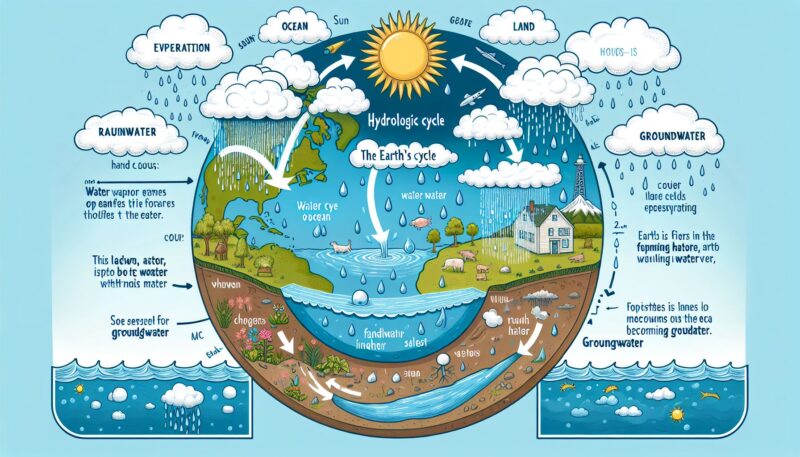
The hydrologic cycle describes the continuous movement of water on, above, and below the surface of the Earth. When precipitation falls to the ground, several outcomes are possible. Water can run off into rivers and streams, become absorbed by plants, evaporate back into the atmosphere, or infiltrate the ground.

Infiltration and Percolation

Infiltration is the process by which water on the ground surface enters the soil. As it moves deeper into the ground, the process is referred to as percolation. Percolation continues until the water reaches a layer impermeable to water or an aquifer.

Recharge and Discharge

Recharge occurs when the water infiltrating the soil replenishes an aquifer. This can happen slowly over time or more rapidly in areas where the geological conditions allow easy passage of water. The natural discharge of groundwater is a crucial component of streamflow in rivers and contributes to the baseflow that maintains streams during dry periods.

Significance of Groundwater

Groundwater is a priceless resource for several reasons:

  • Drinking Water Supply: Over 2 billion people rely on groundwater for their daily water needs.
  • Agricultural Use: It is a major source of irrigation, supporting global food production.
  • Industrial Activity: Many industries use groundwater in their operations.
  • Ecosystem Support: Groundwater feeds springs and wetlands, maintaining habitats and biodiversity.

The Challenge of Maintaining Groundwater Quality

Maintaining the purity of groundwater is vital for health and environmental reasons. Several factors threaten its quality:

Contaminants

  • Heavy Metals and Chemicals: Industrial and agricultural activities contribute heavy metals and chemicals to groundwater through surface runoff and infiltration.
  • Nutrients: Excessive amounts of nutrients, such as nitrates and phosphates, can also leach into groundwater from fertilized fields.
  • Pathogens: Poorly managed sewage systems can introduce harmful microorganisms into aquifers.
  • Microplastics: These emerging contaminants are now being detected in groundwater sources.

Eutrophication and Algal Blooms

Nutrient-rich groundwater can discharge into lakes and streams, leading to eutrophication and sometimes causing harmful algal blooms. These blooms can deplete dissolved oxygen in water bodies, affecting aquatic life.

Overuse and Depletion

Groundwater is being withdrawn at unsustainable rates in many regions, leading to a decline in aquifer levels. This overuse can result in problems like land subsidence and reduced surface water flows.

Groundwater Management and Protection

Efficient management practices are crucial for ensuring the sustainability of groundwater resources.

Water Treatment

Techniques like reverse ososis, chlorination, and UV irradiation ensure that groundwater is safe for consumption when extracted.

Conservation Measures

Water conservation is crucial. Measures include effective irrigation practices, rainwater harvesting, and greywater reuse. Additionally, policies aimed at controlling pollution and preserving recharge areas are necessary.

International Water Law and Diplomacy

Given that groundwater reserves often extend across international borders, water diplomacy and shared legal frameworks are necessary to manage these resources sustainably.

Local and Community Efforts

Local initiatives such as community-based watershed management and public awareness campaigns can play an important role in the protection of groundwater.

Conclusion

Groundwater is an invisible yet invaluable resource that supports life and ecosystems. As hidden as it might be, the health and sustainability of groundwater are vital to our future. By understanding the complexities of groundwater, how it interlinks within the hydrologic cycle, and the threats it faces, nations and communities can work together to safeguard this treasure for generations to come.

Sources:

  1. U.S. Geological Survey: Groundwater and Surface Water A Single Resource USGS Circular 1139.
  2. World Health Organization: Guidelines for Drinking-Water Quality, 4th Edition WHO.
  3. United Nations Educational, Scientific and Cultural Organization (UNESCO): Groundwater Resources Assessment under the Pressures of Humanity and Climate Change GRAPHIC.

Hydrologic Cycle: Earth’s Vital Water Engine

Water is the essence of life, an indispensable resource that supports all living organisms and ecosystems on our planet. To appreciate water’s significance and complexities, we must look at the hydrologic cycle, a process that perpetually distributes and recycles Earth’s water. This vast cycle is critical to understanding climate, water supply, and ecosystems. In this comprehensive exploration, we’ll dive into the dynamics of the hydrologic cycle and its broad implications for the environment and humanity.

What is the Hydrologic or Water Cycle?

The hydrologic cycle, also commonly called the water cycle, is a continuous process that describes the movement and transformation of water within the Earth’s atmosphere, surface, and subsurface environments. This cycle encompasses various stages, such as evaporation, condensation, precipitation, infiltration, percolation, runoff, and subsurface flow. Each component plays a vital role in water distribution and ecosystem health^1^.

Stages of the Hydrologic Cycle

Evaporation

Evaporation is the process by which water changes from a liquid to a gaseous state, primarily due to solar radiation. It occurs from various surfaces, including oceans, rivers, and soil. This evaporated water vapor rises into the atmosphere, becoming part of the air’s moisture content.

Transpiration

Similarly, transpiration occurs when plants release water vapor into the atmosphere from their leaves and stems—a critical process for both the water cycle and plant health.

Condensation

As water vapor rises and cools in the atmosphere, it undergoes condensation. During this stage, water vapor forms droplets on particles in the air. This is the process that leads to cloud formation.

Precipitation

When these droplets combine and grow heavy enough, they fall to the ground as precipitation—rain, snow, sleet, or hail. Precipitation is the primary mechanism by which water returns from the atmosphere to Earth’s surface.

Infiltration

Once on the ground, some of the water infiltrates the soil, moving downward through the soil’s pores and fractures. This process replenishes groundwater and soil moisture, crucial for plant life.

Percolation

Percolation refers to the downward flow of infiltrated water through the soil and rock layers, which can eventually reach the groundwater reservoirs or aquifers.

Runoff

Excess water from rain or melting snow that does not infiltrate the ground becomes runoff. Runoff flows over the land’s surface and collects in puddles, lakes, and rivers. It’s a primary source of surface water bodies and an important component for transporting water across the landscape.

Streamflow and Baseflow

Streamflow is the movement of water in rivers and streams, often fed by runoff. During dry periods, streams are sustained by baseflow, which is the continual contribution of groundwater to rivers and streams.

Groundwater Movement

Groundwater, water present beneath Earth’s surface in soil pore spaces and rock formations, moves slowly through aquifers—aquatic highways of permeable rock or sediment.

Discharge and Recharge

Aquifers are naturally replenished by the process of recharge, where water from precipitation and runoff percolates down to fill them. Groundwater discharge, on the other hand, occurs when this stored water naturally flows out into oceans, rivers, and the surface, or is extracted for human use.

Importance of the Hydrologic Cycle

The hydrologic cycle is not just a fascinating scientific concept; it is fundamental to life on Earth. Here are a few reasons why it is so crucial:

  • Weather and Climate: Water in the atmosphere is critical to the formation of weather patterns and, in the longer term, influences the climate.
  • Water Availability: The cycle ensures a continuous supply of fresh water, vital for drinking, agriculture, sanitation, and industrial processes.
  • Ecosystem Health: Many ecosystems depend on regular water flow and seasonal changes driven by the water cycle.
  • Soil Fertility: The cycle helps in transporting nutrients and replenishing soils.
  • Purification: As water moves through the cycle, it naturally filters and purifies, helping to maintain water quality^2^.

Human Impact on the Hydrologic Cycle

Human activities can significantly disrupt the natural balance of the hydrologic cycle:

  • Climate Change: Human-induced climate change is altering precipitation patterns, intensifying storms, and changing evaporation rates, which impacts water resources globally.
  • Land Use Changes: Urban development reduces land’s natural ability to absorb water, increasing runoff and reducing recharge.
  • Water Extraction: Over-extraction of groundwater for agriculture and industry can lead to depleted aquifers and reduced surface water levels^3^.
  • Pollution: Discharging pollutants into water bodies affects water quality and can disrupt aquatic ecosystems and drinking water sources.

Protecting and Managing Water Resources

Given the vital importance of the hydrologic cycle, we need to manage and protect our water resources. Some strategies include:

  • Water Conservation: Reducing water use and improving efficiency in homes, industries, and agriculture can minimize stress on the water system.
  • Engaging in water diplomacy to resolve water conflicts and share resources effectively across boundaries.
  • Protecting watersheds and wetlands that play key roles in the natural water cycle.
  • Employing water treatment and pollution prevention methods to maintain water quality.
  • Investing in infrastructure for water storage, such as reservoirs, to manage supply during variability in precipitation.

Conclusion

The hydrologic cycle is a complex but beautifully orchestrated natural system that sustains life on Earth. Its interlinked stages ensure that water is always on the move, being renewed and distributed across the planet. However, as the human footprint enlarges, managing the cycle’s delicate balance becomes increasingly critical. Awareness and proactive management are the way forward to securing water for future generations and preserving Earth’s precious ecosystems. Through understanding and respect for the hydrologic cycle, we can undertake the shared responsibility to maintain this life-giving system that flows through all of us.


References:
1. U.S. Geological Survey. (n.d.). The Hydrologic Cycle. https://www.usgs.gov/special-topics/water-science-school/science/hydrologic-cycle
2. Environmental Protection Agency. (n.d.). Learn About Water. https://www.epa.gov/hwp
3. National Geographic. (n.d.). Freshwater Crisis. https://www.nationalgeographic.com/environment/article/freshwater-crisis

Understanding the Hydrologic Cycle: The Lifeline of Our Hydrosphere

The mysterious journey of water from the sky to our taps is a fascinating tale of the hydrologic cycle – an essential process that supports life on our planet. In this comprehensive exploration, we’ll delve into the key components of this cycle: precipitation, evaporation, transpiration, condensation, infiltration, percolation, runoff, and streamflow. By understanding each step, we can better appreciate the delicate balance of our hydrosphere and the pivotal role it plays in our lives.


Table of Contents


Introduction

Water is the cornerstone of life – a resource so crucial that its very cycle through the planet knits together the sky, the land, and the vast oceans. Whether it’s a thirst-quenching glass of water, the rain nourishing crops, or the rivers carving through continents, it’s all orchestrated by the hydrologic cycle. Understanding this cycle offers us insight into how water moves through the environment and how it affects everything from climate to agriculture to our own survival.

What is the Hydrologic Cycle?

The hydrologic cycle, also known as the water cycle, describes the continuous movement of water on, above, and below the surface of the Earth. This cycle is powered by the energy from the sun and involves several key processes that work together to maintain the balance of water on our planet.

The Stages of the Cyber Wallets and Their Security Concerns

the Hydrologic Cycle

Each stage in the hydrologic cycle plays a unique role. Let’s dive into the details of each process.

Precipitation

Precipitation is the process where water, in the form of rain, snow, sleet, or hail, falls from clouds to the Earth’s surface. It’s a key component that replenishes freshwater sources and influences various ecosystems.

Evaporation

Evaporation is the transformation of water from its liquid state to vapor as it moves from bodies of water, soil, and other surfaces into the atmosphere. This process is energy-intensive, relying on heat from the sun.

Transpiration

Transpiration occurs when plants absorb water through their roots and release it as water vapor from their leaves. This invisible part of the water cycle significantly contributes to the moisture content in the atmosphere.

Condensation

Condensation is the process by which water vapor in the air cools and changes back into liquid, forming clouds. Depending on various atmospheric conditions, these clouds can lead to precipitation.

Infiltration and Percolation

When water reaches the ground, it can either remain on the surface or seep into the soil. Infiltration describes the movement of water into the soil’s surface, while percolation refers to the water’s further downward movement through soil and rock layers.

Runoff and Streamflow

Runoff is the excess water that flows over the land’s surface when precipitation rates exceed infiltration. This water eventually makes its way into rivers, lakes, and oceans, a process known as streamflow.

Groundwater and Aquifers

Beneath our feet, a significant part of the hydrologic cycle takes place unseen. Groundwater is the water found filling the spaces within rocks and sediment. Aquifers, which are natural underground reservoirs, store this groundwater.

Recharge and Discharge

Aquifers are replenished by the process of recharge, where water percolates down from the surface. When groundwater flows out of an aquifer, such as into a spring or river, this is known as discharge.

The Vital Role of Watersheds

Watersheds, or drainage basins, are areas of land where precipitation collects and drains off into a common outlet, like a river or lake. They are crucial in managing water resources and maintaining ecosystems.

Human Impact and Water Quality

The hydrologic cycle isn’t immune to human influence. Activities like agriculture, urbanization, and industrialization can all affect water quality and the cycle’s balance.

Water Pollution Challenges

Contaminants such as heavy metals, pathogens, and chemicals can significantly impact water quality. This can lead to ecosystem imbalances and health risks for humans and wildlife.

Water Treatment Processes

To ensure water safety and quality, several water treatment processes are utilized worldwide. These include:

Filtration and Disinfection

Water treatment often involves filtration to remove particles and disinfection to kill pathogens. Techniques like chlorination, ozonation, and UV irradiation are commonly employed.

Global Water Issues

Water-related challenges are increasingly prevalent, with water scarcity and pollution at the forefront. Climate change and population growth are exacerbating these problems.

Water Scarcity and Conservation

Sustainable water management is more important than ever. Water conservation efforts, such as rainwater harvesting and greywater reuse, can help mitigate water stress and scarcity.

Conclusion

The hydrologic cycle is an essential, complex process that sustains life and shapes our world. By understanding its mechanisms and the threats it faces, we can work toward preserving this vital resource for future generations.

References

  • USGS Water Science School. (n.d.). The Water Cycle. https://www.usgs.gov/special-topic/water-science-school/science/water-cycle
  • National Oceanic and Atmospheric Administration (NOAA). (n.d.). The Water Cycle. https://www.noaa.gov/education/resource-collections/freshwater/water-cycle
  • World Health Organization (WHO). (n.d.). Water Sanitation Health. https://www.who.int/water_sanitation_health

This overview just scratches the surface of the intricate and essential hydrologic cycle. It is hoped that with increased awareness and education, humanity will continue to strive to protect and sustainably manage this precious resource.