Water is the lifeblood of our planet, a critical component that shapes both ecosystems and human civilizations. While rivers, lakes, and oceans often capture our collective attention owing to their sheer magnificence and vastness, there exists another world of water beneath our feet: aquifers. In this exploration, we’ll dive into the intricacies of these subterranean reservoirs, understanding their importance, the challenges they face, and the measures we can take to protect them.
What is an Aquifer?
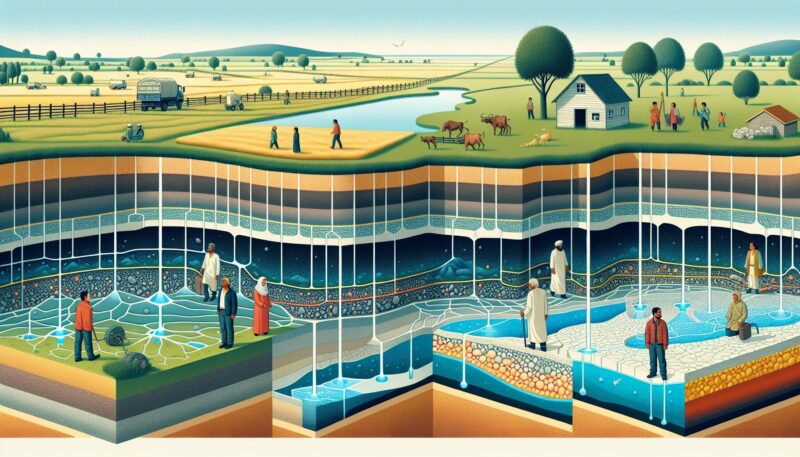
An aquifer is a geological formation that can store, transmit, and yield water. It is typically composed of permeable materials such as gravel, sand, silt, or fractured rock that allow water to move through the spaces between grains or cracks. Aquifers are refilled by the process of recharge, which is the addition of water from sources like rainfall, melting snow, or rivers.
Types of Aquifers
Aquifers come in different shapes and sizes, and they are broadly classified into two categories:
Confined Aquifers
A confined aquifer is bounded above and below by layers of impermeable rock or clay, which act as barriers to the flow of water. The water in these aquifers is typically under pressure, and when tapped by a well, it can rise above the top of the aquifer on its own volition, a phenomenon known as artesian pressure.
Unconfined Aquifers
An unconfined aquifer, also known as a water table aquifer, has a permeable layer on the top and an impermeable one below. The upper surface of this aquifer rises and falls with the amount of groundwater. It is recharged directly by the infiltration of water from the surface.
Importance of Aquifers
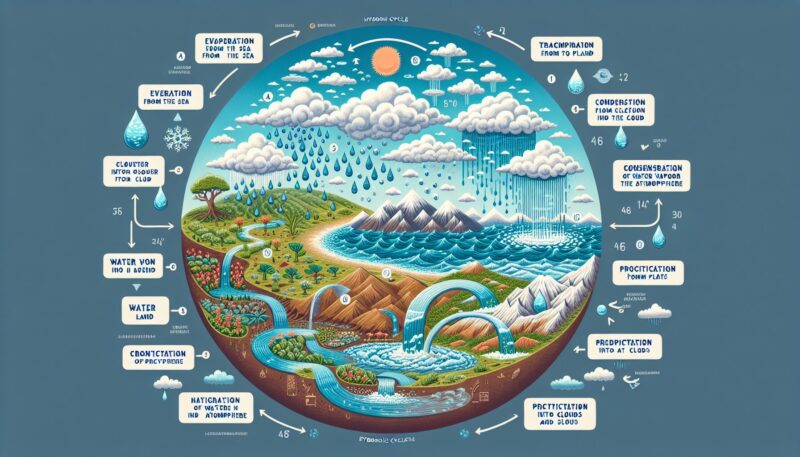
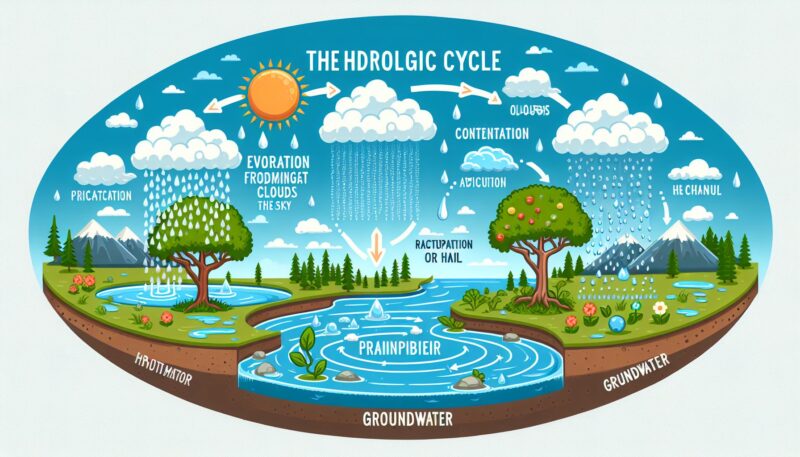
Aquifers are integral to the hydrologic cycle and to human survival. Here are a few reasons why they’re so crucial:
- Water Supply: Globally, aquifers provide approximately 30% of our freshwater, supplying water to wells and springs used by billions for drinking, irrigation, and industrial purposes.
- Ecosystem Support: Many ecosystems rely on the steady flow of groundwater from aquifers to sustain wetlands, rivers, and lakes, especially during dry seasons.
- Drought Resilience: Aquifers can act as natural storage that can be drawn upon during droughts, offering some resilience to communities against water scarcity.
- Climate Change Buffer: As a buffer against climate change, aquifers can store water during periods of excess and supply it during times of need, assisting in managing the increasing variability in precipitation patterns.
Challenges Faced by Aquifers
While aquifers are vital, they are not immune to environmental and human-induced stresses. Some of the challenges include:
Overexploitation
Excessive withdrawal of water for agriculture, industry, and human consumption can lead to the depletion of aquifers. This might cause a decline in water quality and the compaction of the aquifer system, ultimately resulting in land subsidence.
Pollution
Aquifers are susceptible to contamination from various sources like agricultural runoff, leaking septic tanks, and industrial spills. Pollutants can seep into the groundwater and render it unsafe for human use and harmful to the environment.
Climate Change
Altered precipitation patterns can affect the recharge rates of aquifers. In some cases, climate change is projected to decrease the amount of water percolating down to aquifers while simultaneously increasing the demand for water.
Saltwater Intrusion
In coastal areas, overpumping of groundwater can cause saltwater to intrude into the aquifer, degrading the quality of the freshwater supply and complicating water treatment.
Protecting and Managing Aquifers
Given the value of aquifers, we must take steps to safeguard and sustainably manage them:
Sustainable Water Withdrawal
Implementing policies that regulate the amount of water extraction to balance with the natural replenishment rates of aquifers is essential.
Pollution Prevention
Enforcing strict regulations to minimize pollution and monitor potential contaminant sources can help protect aquifer water quality.
Artificial Recharge
Projects that enhance the natural recharge of aquifers, such as building retention ponds or restoring wetlands that absorb rainfall and runoff, can help to replenish groundwater.
Water Conservation
Reducing water usage through conservation practices and technologies can lower the stress on aquifers.
Monitoring and Research
Continuous monitoring and research are needed to understand aquifer systems better. This can guide appropriate management strategies and predict how aquifers will respond to future stresses.
Conclusion
Aquifers may be invisible to the naked eye, but their impact is profoundly felt across the globe. They are not just underground lakes or streams but complex, dynamic systems that play a critical role in our ecosystems and livelihoods. The pressure on these resources is increasing, and we have a collective responsibility to ensure their longevity for future generations.
As we become more mindful of our water footprint, recognize the threats facing our aquifers, and embrace the science and policies aimed at protecting them, we can move towards a future where our hidden water reserves remain a bountiful and clean resource.
Sources
- “Groundwater and Aquifers,” USGS Water Science School. https://www.usgs.gov/special-topics/water-science-school/science/groundwater-and-aquifers
- “The importance of groundwater,” National Groundwater Association. https://www.ngwa.org/what-is-groundwater/Importance-of-groundwater
- “Aquifer Basics,” National Atlas of the United States. https://www.usgs.gov/faqs/what-is-an-aquifer?qt-news_science_products=0#qt-news_science_products
Understanding and respecting the complexity of aquifers ensures that these subterranean treasures continue to support life on our planet, even as they lie hidden beneath our feet.