Category: Main

Unveiling the Mysteries of the Hydrologic Cycle: Earth’s Vital Water Circulation

The hydrologic cycle, also known as the water cycle, is a fundamental process that is relentless in its motion, circulating water throughout the Earth’s hydrosphere. It’s this continuous process that replenishes our water sources, shapes our landscapes, influences climate, and supports all forms of life. Understanding the hydrologic cycle is crucial for the practical management of water resources and for making informed decisions that affect our environment and society.

What is the Hydrologic Cycle?

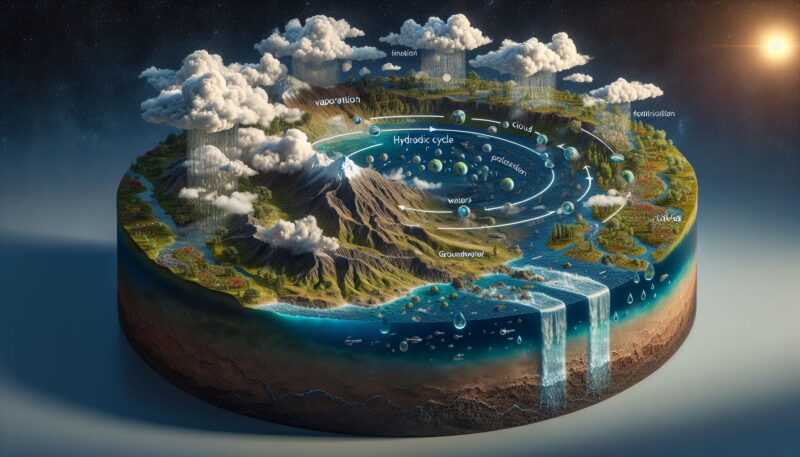
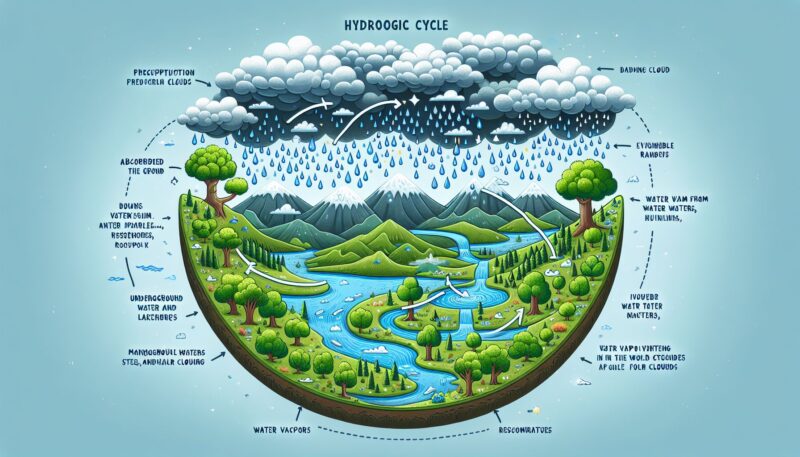
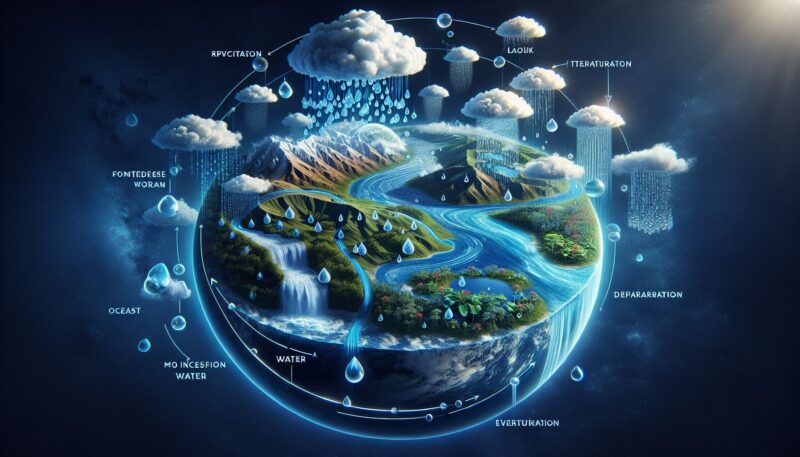
In its simplest form, the hydrologic cycle describes the movement of water above, on, and below the surface of the Earth. This cycle is a closed system, meaning that the amount of water does not change but is rather redistributed in different forms: liquid, vapor, and ice. Driven by the energy from the sun and gravity, water is constantly cycling through various processes that include evaporation, transpiration, condensation, precipitation, infiltration, percolation, runoff, and storage in natural reservoirs like oceans, lakes, glaciers, and aquifers.

The Driving Forces Behind the Cycle

Solar Energy and Gravity

Solar energy is the prime mover of the hydrologic cycle. It supplies the heat necessary for evaporation, which is the process of turning liquid water into vapor. This vapor rises into the atmosphere, where it cools and condenses to form clouds. Gravity then takes over, pulling the condensed water particles down as precipitation—be it rain, snow, sleet, or hail.

The Processes

Evaporation and Transpiration

Evaporation occurs when water is heated and converted into vapor from bodies of water like rivers, lakes, and oceans. Transpiration is similar to evaporation but occurs in plants as they release water vapor from their leaves into the atmosphere – this collective process is sometimes referred to as evapotranspiration.

Condensation

Condensation is the process that turns water vapor into liquid droplets or ice crystals, forming clouds. This process is often observable as dew on plants or the outside of a cold glass on a hot day.

Precipitation

When these droplets or crystals become too heavy to stay airborne, they fall from clouds as precipitation, restoring water to the Earth’s surface.

Infiltration, Percolation, and Runoff

Water that reaches the ground can follow different paths. It may infiltrate (seep into the soil), percolating down to recharge groundwater supplies, or it may flow as surface runoff into rivers and lakes, eventually making its way to the oceans.

Groundwater Movement

Groundwater, which is stored in aquifers, moves slowly and can exit into streams, lakes, or into the ocean to become part of the baseflow contribution. This exit of water from the ground is known as discharge.

Interception

Before precipitation even reaches the ground, it might be temporarily intercepted by vegetation, buildings, or other structures. Some of this intercepted water evaporates back to the atmosphere while some contribute to the runoff and infiltration processes.

Why the Hydrologic Cycle is Important

The hydrologic cycle is essential for many reasons. It plays a key role in regulating the climate by transporting heat around the globe through water vapor. It’s also critical for the sustainability of ecosystems, supplying fresh water to maintain habitats and biodiversity.

Water for Human Use

Humans rely heavily on the hydrologic cycle for fresh water. The availability of water influences where we can live, grow our food, and develop our cities. It’s through this cycle that our primary water reservoirs are naturally refilled, and understanding it can help us manage water resources more effectively, especially in the face of climate change and increasing demands.

Weather and Climate

The water cycle also influences weather patterns and, consequently, climate conditions. For instance, regions downwind of large bodies of water tend to have higher precipitation because of the evaporation and transport of moisture from these surfaces.

Threats to the Hydrologic Cycle

Alterations to the hydrologic cycle can disrupt the delicate balance of ecosystems and lead to adverse effects on water availability. Human activities such as deforestation, urban development, and the emission of greenhouse gases affect the cycle’s dynamics.

Climate Change

Climate change, largely driven by human activity, alters the hydrologic cycle by changing precipitation patterns, increasing evaporation rates, and altering runoff patterns. This can result in more severe droughts or floods, affecting water availability and quality.

Pollution

Pollution from various sources can contaminate water at different points in the cycle. For example, water can become polluted from agricultural runoff containing pesticides and fertilizers, or from industrial wastes being improperly disposed of into waterways.

Land Use Changes

Deforestation and urbanization can lead to changes in infiltration and runoff. Forests naturally store and release water, but when trees are removed, less water is absorbed by the soil, increasing runoff and reducing groundwater recharge. Impervious surfaces in urban areas, such as roads and buildings, exacerbate this problem, leading to more runoff and potential flooding.

Preserving the Hydrologic Cycle

To protect and preserve the hydrologic cycle, several measures need to be taken, ranging from reducing greenhouse gas emissions to improving water management practices.

Sustainable Water Management

Sustainable water management includes practices like conserving water, protecting watersheds, managing urban runoff, and restoring wetlands that naturally store and filter water.

Pollution Control

Pollution control measures involve reducing the release of harmful chemicals into the environment and improving wastewater treatment processes to ensure that water returned to the cycle is clean.

Climate Change Mitigation

Mitigating climate change by reducing greenhouse gas emissions can help stabilize the hydrologic cycle by preventing extreme variations in weather patterns.

Conclusion

The hydrologic cycle is an extraordinary and complex system integral to life on Earth. Understanding its mechanisms and importance is essential for managing our water resources and ensuring a healthy planet for future generations. By taking steps to protect this vital cycle, we can ensure that the flow of water, so critical to all aspects of our planet, is preserved and remains in balance.

Sources

  1. “The Water Cycle | U.S. Geological Survey.” USGS, U.S. Geological Survey.
  2. “Hydrological cycle.” Encyclopedia Britannica, Encyclopedia Britannica, Inc.
The Hydrologic Cycle: Earth’s Vital Water Engine

Water is the most crucial element for life on Earth. The hydrologic cycle, also known as the water cycle, is a continuous global process through which water circulates through the planet’s hydrosphere, atmosphere, and lithosphere. This cycle is the central feature of Earth’s support system that allows for the existence of our diverse ecosystems and provides the water vital for human survival and well-being.

Understanding the Hydrologic Cycle

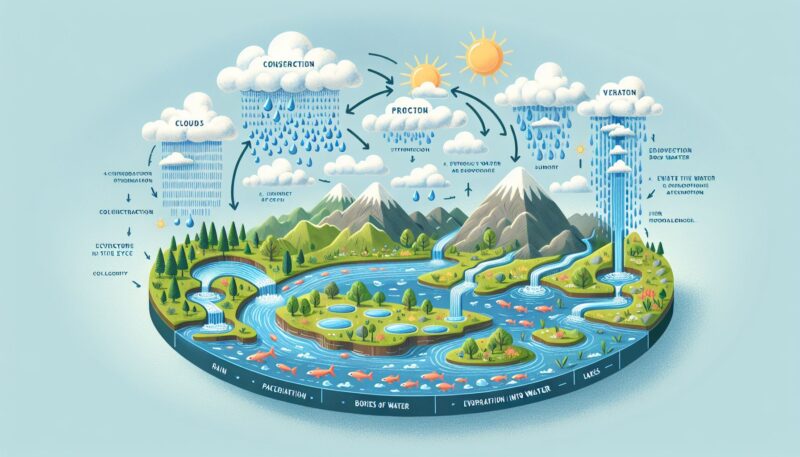
The hydrologic cycle is an intricate and dynamic system that describes how water moves and changes form across different parts of the Earth. It involves several key processes: precipitation, evaporation, transpiration, condensation, infiltration, percolation, runoff, and streamflow, which lead to various water occurrences such as groundwater, aquifers, rivers, lakes, oceans, glaciers, and icebergs.

Precipitation: The Sky’s Gift

Precipitation is the general term for any liquid or frozen water that forms in the atmosphere and falls to the ground. This includes rain, snow, sleet, and hail. Precipitation occurs when water vapor in the air condenses into larger droplets or ice crystals heavy enough to fall to Earth due to gravity.

Evaporation: From Liquid to Vapor

Evaporation is the process by which water transitions from a liquid state on the Earth’s surface to a vapor state in the atmosphere. This occurs when energy (usually from the sun) heats water in rivers, lakes, or oceans, causing water molecules to break free and rise into the atmosphere.

Transpiration: Nature’s Respiration

Transpiration is a critical part of water movement within ecosystems. It is the process by which plants lose water vapor through tiny openings in their leaves called stomata. This plays a crucial role in the hydrologic cycle, as it contributes to the amount of moisture in the atmosphere.

Condensation: Cloud Formation

Condensation is when water vapor in the air cools and changes back into liquid droplets. These tiny droplets of water form clouds and fog in the atmosphere. As these droplets collect and grow larger, they eventually fall as precipitation, completing the cycle.

Infiltration and Percolation: Earth’s Thirst

Infiltration is the downward movement of water from the surface into the soil. When water on the ground seeps into the soil, it’s called infiltration. Percolation is a deeper extension of infiltration, where the water moves further down through the soil layers and substrata.

Runoff and Streamflow: The Drift Back to the Sea

Runoff occurs when water from precipitation flows over the land’s surface towards streams, rivers, lakes, or the ocean. Streamflow is the water that flows within these streams and rivers. When precipitation exceeds percolation, infiltration, and evaporation, runoff ensures the return of water to the oceans.

Groundwater and Aquifers: The Hidden Treasure

Not all water runs off into rivers; some of it percolates through the soil, becoming groundwater. This water can then move through aquifers, which are layers of porous rock, sand, or gravel saturated with water. Groundwater is often a significant water source for both human use and ecosystem support.

The Cycle’s Influence on Climate and Weather

The hydrologic cycle is integrally connected to climate and weather patterns. It impacts environmental and climatic changes, affecting everything from local weather events to global climate shifts. Its relevance spans across wide-ranging facets including agriculture, forestry, urban planning, and environmental conservation.

Human Impact on the Hydrologic Cycle

Human activities can significantly impact the hydrologic cycle. Over-extraction of groundwater, deforestation, urbanization, and pollution all alter components of the cycle, sometimes leading to devastating effects such as reduced water quality, altered precipitation patterns, and the exacerbation of extreme weather events.

Water Resources and Human Use

Considering the vital importance of water, managing our water resources sustainably is essential. This includes ensuring safe and adequate water supply for drinking, agriculture, and industry, while also protecting natural ecosystems.

Water Treatment and Distribution

For human consumption, water treatment is crucial. Processes such as filtration, disinfection, chlorination, ozonation, and reverse osmosis, among others, ensure safety in water supply when managed correctly. Water distribution systems then carry this water to various consumers, relying on a complex network of pipes, pumps, reservoirs, and treatment facilities.

Water Scarcity and Conservation

Despite the abundance of water on our planet, water scarcity affects large parts of the world’s population, often due to unequal distribution, poor management, or extreme weather conditions like drought. Conservation measures, including rainwater harvesting, greywater reuse, and reducing individual water footprints, are ways to mitigate this issue.

The Role of International Water Diplomacy

When it comes to shared water resources, the potential for conflict increases, necessitating water diplomacy. Countries and regions must engage in discussions to ensure equitable and sustainable use of transboundary water resources to prevent conflicts and promote cooperation.

The Future of Earth’s Water

Climate change is altering the hydrologic cycle, bringing about changes in precipitation patterns, increasing evaporation rates, and melting ice reserves. The sustainability of future water resources hinges on our ability to understand, value, and manage the components of the hydrologic cycle.

Conclusion

The hydrologic cycle is a marvel of nature, an engine that sustains life on our planet. It is a continuous, self-supporting process that is both affected by and affects the Earth’s ecosystems. Understanding its components and functioning is not merely an academic pursuit but a necessary endeavor to preserve the wellbeing of all life forms on Earth and the ecosystems they depend on.

Awareness of the hydrologic cycle and its importance can guide conservation efforts, improve water management, and ensure that future generations inherit a planet with plentiful and clean water resources. From individual actions to global policies, the protection and sustainable management of our water resources is a shared responsibility, vital for the survival of our species and the health of our planet.

Educational sources for further understanding and insight into the hydrologic cycle and its global significance include:

  • “Water in the Balance” by the International Water Management Institute: IWMI
  • “The Water Cycle” by the United States Geological Survey: USGS Water Science School

The Hydrologic Cycle: Earth’s Vital Water Engine

Water is the lifeblood of our planet, a precious resource that sustains all forms of life. Central to the existence and continuous supply of this invaluable resource is the hydrologic cycle, also known as the water cycle. It is a complex system that describes the continuous movement of water on, above, and below the surface of the Earth. Understanding this cycle is crucial, not only for scientists and researchers but for every individual, as it directly affects ecosystems, weather patterns, and even socio-economic structures.

What is the Hydrologic Cycle?

The hydrologic cycle is a natural sequence of processes that recycles Earth’s water. It is a closed-loop system that involves the transfer of water from the oceans, through the atmosphere, to the land, and back to the sea. This cycle is driven mainly by the sun’s energy and governed by the laws of physics.

How the Hydrologic Cycle Works

To fully grasp the hydrologic cycle, we must break it down into its key components:

Evaporation

Evaporation is the process by which water is transformed from liquid to vapor. The sun heats water in rivers, lakes, and oceans, causing it to vaporize and ascent into the atmosphere. Plants also contribute to evaporation through a process called transpiration, where they release water vapor from their leaves.

Condensation

Once water vapor rises higher into the atmosphere, it cools down and turns back into liquid droplets through condensation. These tiny droplets cluster around dust particles, forming clouds.

Precipitation

When these droplets combine and grow heavy enough, they fall to the earth’s surface as precipitation, which includes rain, snow, sleet, or hail. Precipitation replenishes water in bodies of freshwater and is critical for terrestrial life.

Infiltration and Percolation

After precipitation, some of the water seeps into the ground, in a process known as infiltration. This water then moves downward through soil and rock, a movement referred to as percolation, eventually reaching groundwater stores such as aquifers.

Runoff and Streamflow

A portion of the precipitation does not infiltrate but instead flows over the land as surface runoff. This runoff eventually gathers into streams and rivers, contributing to streamflow, which carries water back to the oceans.

Groundwater Movement

Some of the infiltrated water becomes groundwater, which moves much more slowly than surface water. Groundwater can return to the surface as a spring or seep into rivers, lakes, and oceans.

Baseflow

Baseflow is the portion of streamflow that is sustained between precipitation events, fed into streams by delayed pathways such as groundwater seeping into the bed of rivers.

Discharge and Recharge

Groundwater is stored in aquifers and can be discharged into rivers and bodies of water through springs or human extraction. Recharge occurs when water from precipitation and runoff percolates into the aquifer.

Sublimation and Deposition

Additionally, there are other, less common, parts of the hydrologic cycle. Sublimation is the process where ice and snow change directly into vapor without first melting into water. Deposition is the opposite, where vapor changes directly into solid ice crystals.

The Importance of the Hydrologic Cycle

The hydrologic cycle plays a critical role in numerous environmental functions and is essential for life on Earth:

  • Climate Regulation: The cycle helps regulate the Earth’s temperature and plays a significant role in the weather patterns.
  • Water Purification: As water evaporates and then precipitates, it is naturally purified, which benefits both ecosystems and human water use.
  • Habitats Formation: The cycle supports the creation and maintenance of various aquatic and terrestrial habitats.
  • Nutrient Cycle: Through precipitation and runoff, essential nutrients are transported across landscapes, supporting plant and animal life.
  • Human Activities: The cycle is vital for agriculture, hydropower, drinking water supplies, and many other human endeavors.

Human Impact on the Hydrologic Cycle

Human activities have significant impacts on the hydrologic cycle. Climate change, caused by increased greenhouse gas emissions, is altering the cycle by increasing temperatures, changing precipitation patterns, and intensifying extreme weather events. Land use changes, such as deforestation and urbanization, affect infiltration and runoff rates. Pollution and over-extraction of water resources also disrupt this delicate balance.

Conclusion

Understanding the workings of the hydrologic cycle is vital not only for researchers and policy-makers but also for the general public. Our actions can have profound effects on the cycle’s balance, which in turn can feedback to impact our own lives through changes in weather, availability of water resources, and the health of ecosystems.

Sources

For further information and research, the following sources provide valuable insights into the hydrologic cycle and its vital role:

  1. United States Geological Survey (USGS) – The Water Cycle
  2. NASA’s Water Cycle Overview

By understanding the hydrologic cycle, we can better predict weather patterns, manage water resources, and protect our environment. It is a continuous reminder of the intricate balance of nature and the interconnectivity of Earth’s systems.

Understanding the Hydrologic Cycle: Earth’s Circulatory System for Water

Water is the lifeblood of our planet, and the hydrologic cycle acts as Earth’s circulatory system, continuously moving and redistributing water across the globe. Also known as the water cycle, it is a complex system that sustains life, influences climate, and shapes the geological features of our environment. In this article, we’ll dive into the depths of the hydrologic cycle, exploring its components, processes, and the vital role it plays in the Earth’s ecosystem.

Introduction to the Hydrologic Cycle

The hydrologic cycle is a continuous movement of water within the Earth’s hydrosphere. It involves the exchange of water between the surface of the Earth, the atmosphere, and the sub-surface areas. The cycle is powered by solar energy and involves several key processes: evaporation, condensation, precipitation, infiltration, percolation, runoff, and transpiration. Together, these processes maintain the delicate balance of water within various ecosystems and help to regulate the Earth’s climate.

Components of the Hydrologic Cycle

The hydrologic cycle is composed of several interrelated components that work in harmony to circulate water throughout the planet:

Evaporation and Transpiration

Evaporation is the process through which water is transformed from a liquid state to a gaseous state, primarily due to the sun’s heat. This occurs not only in large bodies of water like oceans, lakes, and rivers but also in soil moisture and wet surfaces. Transpiration, on the other hand, is the release of water vapor from plants and trees into the atmosphere. Together, evaporation and transpiration contribute to the atmospheric moisture, key to the formation of clouds and eventually precipitation.

Condensation

As water vapor rises high into the atmosphere, it cools and condenses into tiny water droplets or ice crystals, forming clouds. Condensation is the reverse of evaporation and a crucial step in the precipitation process. It not only leads to rain, snow, sleet, or hail but also releases heat into the atmosphere, which can drive wind and weather patterns.

Precipitation

Precipitation is the result of water droplets or ice crystals in clouds growing large enough to fall to the ground due to gravity. It occurs in various forms, such as rain, snow, sleet, or hail. Precipitation is a primary source of freshwater for the Earth’s surface and is essential for replenishing water in rivers, lakes, and reservoirs.

Infiltration and Percolation

After precipitation occurs, some of the water infiltrates the ground, moving down through the soil and rock layers. Infiltration is the process by which the surface water seeps into the ground. Percolation follows, which is the downward movement of water through soil and rock formations. These processes contribute to the recharging of aquifers and the maintenance of groundwater levels.

Runoff and Streamflow

Not all precipitation will infiltrate the ground; some will flow over the surface as runoff. Runoff can occur due to heavy rainfall, snowmelt, or when the ground is saturated and can no longer absorb water. This surface water eventually finds its way to rivers, streams, and lakes, contributing to streamflow, a key component of the Earth’s freshwater systems.

Groundwater Movement and Discharge

Groundwater that percolates through the Earth’s crust can move slowly over great distances. It can emerge naturally at the surface as springs or can be discharged into lakes, rivers, and the oceans. Groundwater is a critical source of water for many people and ecosystems, especially in areas where surface water is scarce.

Baseflow

Baseflow is the portion of streamflow that is sustained by groundwater seepage into rivers and streams. During dry seasons when precipitation is minimal, baseflow becomes a crucial component of river flow, ensuring a continuous supply of water to ecosystems and human populations.

The Impact of the Hydrologic Cycle on the Environment

The hydrologic cycle plays a critical role in shaping the environment. It is responsible for the distribution and quality of water resources, the formation of land features, and the survival of ecosystems. Through erosion and deposition, the movement of water sculpts landscapes, creating valleys, canyons, deltas, and other geological features.

The cycle also influences climate patterns by regulating the distribution of heat and moisture around the planet. Precipitation and evaporation are interconnected with atmospheric and oceanic circulation, which drives weather phenomena and long-term climate trends. Additionally, the availability of water from the cycle supports diverse habitats, from rainforests to deserts, each relying on specific components of the cycle for sustenance.

Human Interaction with the Hydrologic Cycle

Human activities have a profound impact on the hydrologic cycle. Urbanization, deforestation, and agriculture can alter the natural flow of water, affecting infiltration, runoff, and streamflow. The construction of dams, reservoirs, and canals also changes the natural distribution and timing of waterflows, often with significant ecological consequences.

Water pollution is another aspect where human influence is evident. Industrial waste, agricultural runoff, and untreated sewage can degrade water quality, affecting not only human health but also aquatic life and ecosystems. Efforts to preserve water quality include various treatment processes like filtration, chlorination, and advanced techniques such as reverse osmosis and UV irradiation.

Strategies for Water Conservation and Management

Given the critical role of the hydrologic cycle and the pressures put on it by human activity, water conservation and management are essential. Strategies such as rainwater harvesting, greywater reuse, and the development of water-efficient technologies aim to reduce waste and ensure sustainable water use. Raising awareness and implementing policy measures at various scales—from local communities to international agreements—can help to maintain the balance of the hydrologic cycle.

The Future of the Hydrologic Cycle

Climate change poses a significant risk to the stability of the hydrologic cycle. Shifts in temperature and precipitation patterns can lead to more extreme weather events like droughts and floods, altering the reliability and availability of water resources. Understanding and adapting to these changes will be vital for future water security and environmental sustainability.

Conclusion

The hydrologic cycle is an intricate and dynamic system that underpins environmental processes and sustains life on our planet. By understanding and respecting its components, we can better manage our water resources and protect our ecosystems. As we face challenges such as climate change and increasing water demand, the stewardship of the hydrologic cycle becomes more important than ever.

Sources:

  1. United States Geological Survey (USGS) Water Science School: The Water Cycle, https://www.usgs.gov/special-topics/water-science-school/science/water-cycle-overview
  2. National Oceanic and Atmospheric Administration (NOAA): The Water Cycle, https://www.noaa.gov/education/resource-collections/freshwater/water-cycle

Remember, this is a highly abridged overview of a topic that encompasses numerous scientific disciplines and touches every aspect of our planetary existence. As a call to action, consider exploring more about how your local region interacts with the hydrologic cycle, what stresses it faces,