Category: Main

Hydrology: The Science of Water from Sky to the Underground

Water is the most essential natural resource on Earth, forming the basis of all life and shaping our environment, climate, and even human civilization. Hydrology is the science that deals with the distribution, movement, and quality of water across the planet, including its relationship with living organisms and the environment. In this article, we’ll delve deep into the realm of hydrology, examining key components such as the hydrologic cycle, groundwater, surface water, and the numerous processes that connect these dynamic systems. We will also touch on the human impact on hydrological processes and water resources, emphasizing the need for sustainable management.

The Hydrologic Cycle: Earth’s Natural Water Recycling System

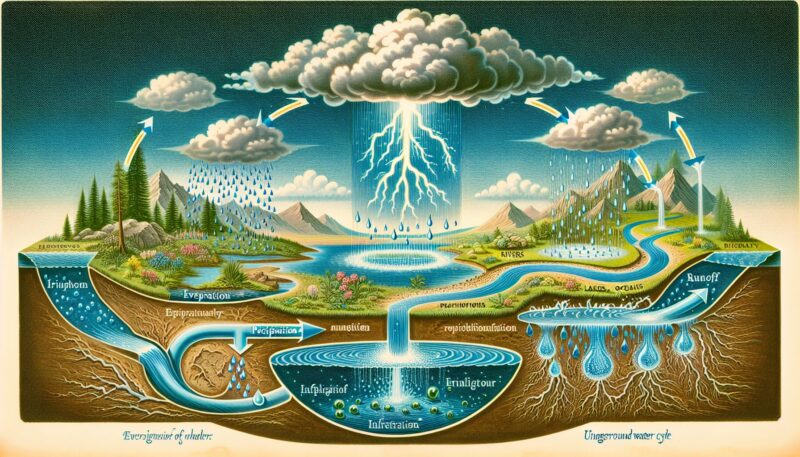
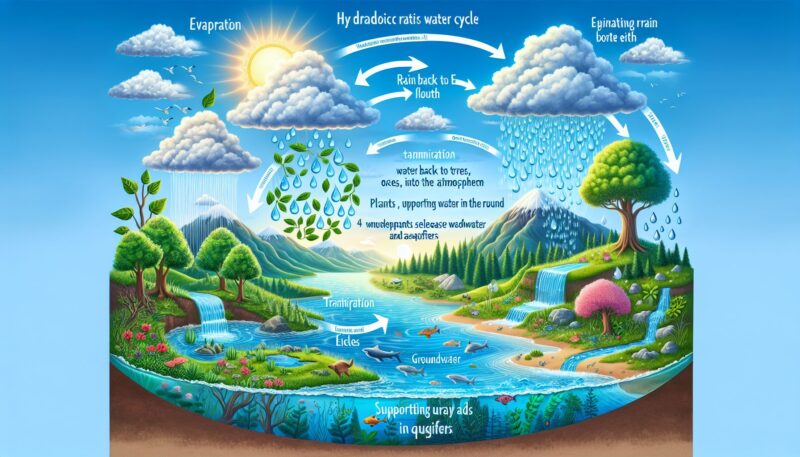
The hydrologic cycle, also known as the water cycle, is a continuous process by which water circulates through the Earth’s hydrosphere. It involves several key stages:

  • Evaporation: The transformation of water from liquid to gas phase as it moves from bodies of water, soil, and other surfaces into the atmosphere.
  • Transpiration: The release of water vapor from the leaves of plants during photosynthesis, contributing to the atmospheric moisture.
  • Condensation: The conversion of water vapor into liquid water droplets, which leads to cloud formation.
  • Precipitation: The process through which water, in various forms (rain, snow, sleet, or hail), falls back to the surface.
  • Infiltration: Once water reaches the ground, it can seep into the soil, replenishing groundwater.
  • Percolation: The downward movement of water through soil and porous rocks, which helps filter and clean it.
  • Runoff: Water that does not infiltrate the ground flows over the landscape, eventually reaching rivers, lakes, and oceans.
  • Streamflow and Baseflow: Surface water moves through river systems, with streamflow being the surface runoff and baseflow the part of the river’s flow that comes from groundwater seeping into the riverbed.

These processes are driven by solar energy and gravity and are affected by various factors like temperature, wind, topography, and vegetation.

Groundwater: The Invisible Resource Beneath Our Feet

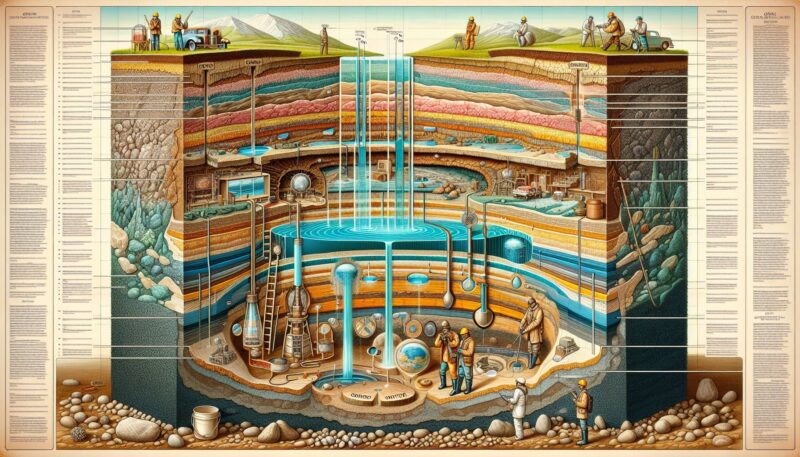
Beneath the surface, a vast amount of water exists in the spaces between sediments and rock formations, known as groundwater. Aquifers are underground layers where the rocks are saturated with water, and they are critical sources of fresh water for many communities.

  • Recharge: Natural processes such as precipitation and surface water seepage add water to an aquifer.
  • Discharge: Water is naturally removed from an aquifer through springs or can be extracted via wells for human use.

Groundwater is a crucial component of the hydrologic cycle, often less susceptible to pollution and more resilient during droughts than surface water. However, it is not immune to depletion and contamination, demanding careful management.

Surface Water: Rivers, Lakes, and Beyond

Above-ground bodies of water play a central role in hydrology. Rivers and streams (known collectively as lotic systems) carry freshwater across vast landscapes, while lakes and ponds (lentic systems) store water. These watershards are part of larger drainage basins or catchments, areas of land where precipitation collects and drains off into a common outlet.

Wetlands, estuaries, and other transition zones between land and water serve as important ecological niches, filtering pollutants and providing habitat for diverse species.

Human Influences: Managing and Mismanaging Water

Human activity greatly influences hydrological processes. Water pollution, from sources like industrial waste, agricultural runoff, and urban development, pose significant threats to water quality. Contaminants like heavy metals, pathogens, nutrients, and microplastics can disrupt ecosystems and endanger health.

Water management practices such as reservoirs and dams modify natural flow patterns, impacting local environments and water availability. Despite advancements in water treatment technologies like reverse osmosis and UV irradiation, challenges in ensuring clean and sufficient water for the growing global population persist.

  • Desalination: Removing salt and other minerals from seawater or brackish water to produce fresh drinking water.
  • Water distribution: The complex network of pipes, pumps, and valves that deliver water to homes and industries.
  • Water conservation: Strategies to reduce water usage and waste, including rainwater harvesting and greywater reuse.

Environmental policies and innovative technologies aim to protect our water resources, but global issues like climate change, water scarcity, and water-related conflicts call for cooperative management and sustainable practices.

Towards a Sustainable Water Future

To ensure a sustainable water future, we must balance human needs with those of the environment. Every action we take, from the individual to the industrial level, has rippling effects through the hydrological cycle. Emphasizing water conservation, protecting natural water systems, and investing in clean water technologies are necessary steps towards resilience against water stress and scarcity.

Water diplomacy has become increasingly important as shared water resources become a point of contention in many parts of the world. Cooperation and sustainable management are crucial to prevent water conflict and to promote peace and stability.

Conclusion

Hydrology is a broad and complex field, encompassing everything from the microscopic to the planetary scale. It’s a discipline that not only requires scientific understanding but also responsible stewardship. Whether it’s the collection of raindrops on a leaf or the vast flow of a river, every aspect of water on Earth is interconnected within the grand tapestry of the hydrologic cycle.

By recognizing our place within this cycle and our impact on both quantity and quality of water, we can begin to act more wisely, fostering a harmonious relationship with Earth’s most valuable resource. Water sustains us, and it is our duty to sustain it in return.

Sources:

  1. “Principles of Hydrology” by R.C. Ward.
  2. “Groundwater Science” by C.W. Fetter
  3. USGS Water Science School

(These sources provide foundational information on hydrology and are recommended for readers seeking an in-depth understanding of the subject.)
Unraveling the Mysteries of Groundwater: Earth’s Hidden Resource

Groundwater is one of Earth’s most crucial and frequently misunderstood resources. This invisible treasure, found beneath the Earth’s surface, plays a vital role in supporting ecosystems, human livelihoods, and economic development. In this exploration, we will delve deep into the concept of groundwater – its origins, significance, vulnerabilities, and the challenges associated with its management and preservation.

Introduction

Beneath our feet lies a vast resource that is essential for life but often goes unnoticed. Groundwater is the water found in the pores and fractures of soil, sand, and rock, which constitutes the largest source of fresh usable water on the planet, barring the water locked up in glaciers and polar ice caps. It is a critical component of the Earth’s hydrosphere and is central to the hydrologic cycle.

Understanding groundwater’s journey, from precipitation to the kitchen tap, and the threats it faces, is fundamental to ensuring its sustainability for future generations. Throughout this article, we will uncover the intricacies of groundwater – from its scientific principles and benefits to the human-induced challenges that threaten its quality and existence.

What is Groundwater?

Groundwater is part of the hydrologic cycle, an incredible system where water is in constant motion between the land, ocean, and atmosphere. When rain falls or snow melts, some of the water flows over the land’s surface as runoff, eventually entering rivers and lakes. However, a sizable portion seeps beneath the surface in a process known as infiltration.

Infiltration and The Journey Underground

When water infiltrates the soil, it moves down through the void spaces or cracks within sediments and rock formations in a process known as percolation. As the water percolates deeper, it reaches a point where all the openings in the rocks and sediment are completely filled with water – this is referred to as the ‘saturated zone.’ The top of this zone is called the water table. Below the water table, in these saturated conditions, lies groundwater.

Aquifers: Nature’s Underground Storage Tanks

Aquifers are geological formations capable of storing and yielding significant quantities of groundwater. These formations can be comprised of gravel, sand, sandstone, or fractured limestone and dolomite, and they effectively act as natural underground reservoirs.

Two major types of aquifers exist:

  1. Unconfined Aquifers – where water seeps directly from the ground surface, and is more susceptible to surface contamination.
  2. Confined Aquifers – which are covered by a layer of less permeable material and are therefore generally more protected from the surface influences.

Recharge and Discharge

The groundwater system is dynamic, with a continuous exchange of water between the surface and the subsurface. ‘Recharge’ occurs when water infiltrates the soil and adds to the groundwater reservoir, while ‘discharge’ happens when groundwater emerges back at the surface, often becoming part of streams, lakes, or wetlands, or being extracted by roots for plant use.

The Significance of Groundwater

Groundwater’s role is not just pivotal in maintaining the natural landscape; it is also essential in supporting human settlements and activities.

Supporting Ecosystems

Groundwater is a primary source of water for vegetation in many arid and semi-arid regions. It contributes to the baseflow of rivers and helps maintain river flows during dry seasons, supporting aquatic habitats and wildlife.

Human Consumption and Use

An estimated 2.5 billion people depend directly on groundwater for their drinking water. Additionally, it is crucial for agriculture and industry, providing about 40 percent of water used for irrigation worldwide and supporting various industrial processes.

Economic Significance

Groundwater contributes significantly to the global economy. It is often a more reliable and cost-effective source of water compared to surface waters, particularly in regions where seasonal variability in rainfall is high.

Threats to Groundwater

Despite its importance, groundwater is facing an array of threats that jeopardize its quality and sustainability.

Over-Extraction

Human demand for water has led to the excessive drawing of groundwater, causing declining water tables, land subsidence, and reduced water flow to the natural environment. The over-extraction can lead to the depletion of this invaluable resource.

Contamination

Groundwater is susceptible to contamination from various sources, including industrial waste, agricultural runoff, and improper waste disposal. Contaminants like heavy metals, pathogens, nutrients, and microplastics can pose serious health risks and degrade water quality.

Climate Change

As climate patterns shift, alterations in precipitation and increased evaporation rates can disrupt the recharge rates of aquifers, exacerbating the problems related to water scarcity and stressing groundwater systems.

Water Quality Indicators

To understand groundwater quality, several indicators are typically measured:

  • Dissolved Oxygen: Indicates the amount of oxygen available for aquatic life and the breakdown of pollutants.
  • pH: A measure of the water’s acidity or alkalinity, which can affect metal solubility and toxicity.
  • Turbidity: The clarity of the water, which can be affected by suspended solids.
  • Salinity: The concentration of dissolved salts, which can affect crop growth and potability.
  • Hardness: Determined by the concentration of calcium and magnesium, affecting the water’s ability to cause scaling and its taste.

Managing Groundwater Sustainably

Responsible management of groundwater is crucial for its long-term viability. This involves understanding and integrating the following components:

Implementing Integrated Water Resources Management (IWRM)

IWRM is a process that promotes the coordinated development and management of water, land, and related resources in order to maximize economic and social welfare without compromising the sustainability of ecosystems.

Adopting Water Conservation Measures

Efforts to reduce water waste, such as practicing efficient irrigation techniques or reusing greywater, can alleviate pressure on groundwater sources. Rainwater harvesting is another method to supplement water supply and reduce groundwater dependency.

Enhancing Water Treatment Technologies

Advanced water treatment methods like reverse osmosis, ozonation, and UV irradiation can play a pivotal role in ensuring the cleanliness and safety of groundwater before it is consumed or used.

Legal and Regulatory Frameworks

Effective legislation and regulations are essential to control groundwater extraction, protect recharge areas, and prevent contamination from human activities.

Public Education and Participation

Raising awareness about groundwater’s importance among communities and stakeholders is vital in fostering a culture of conservation and responsible use.

Monitoring and Research

Continued research and monitoring of groundwater are necessary for understanding its behavior, assessing risks, and developing appropriate management strategies.

Conclusion

Groundflow is the cornerstone of our natural and human systems. Its silent existence belies its significant role as an environmental stabilizer and a lifeline for millions. To safeguard this precious resource, it is imperative that governments, communities, and individuals adopt a unified approach emphasizing conservation, efficient use, and advanced management strategies.

As we race to meet the demands of an expanding population and grapple with the complexities of a changing climate, the protection and sustainable management of groundwater have never been more critical. This hidden resource is a legacy that we must preserve and nurture, not only for our survival but for the prosperity of generations to come.

Sources

  1. “Groundwater.” U.S. Geological Survey. https://www.usgs.gov/special-topic/w

Understanding the Hydrologic Cycle: Earth’s Vital Water Engine

Water is one of the essential substances on the planet, sustaining life and shaping our environment in countless ways. At the heart of water’s journey through the natural world is the hydrologic cycle, a complex process that ensures the continuous movement and recycling of water on Earth. This article explores the twists and turns of the hydrologic cycle, its vital components, and the far-reaching impacts it has on the planet.

Table of Contents

Introduction

Earth is often referred to as the Blue Planet, a nod to its abundance of water. Approximately 71% of Earth’s surface is covered by water, which plays a pivotal role in sustaining all forms of life.

What is the Hydrologic Cycle?

The hydrologic cycle, also known as the water cycle, is the continuous movement of water within the Earth and its atmosphere. This natural cycle involves the exchange of water between different components of the environment, including rivers, lakes, oceans, the atmosphere, and the land. The hydrologic cycle is driven by the energy from the sun and is a crucial aspect of weather and climate patterns.

Components of the Hydrologic Cycle

Precipitation

Precipitation is water released from clouds in the form of rain, sleet, snow, or hail. It is the primary mechanism by which water in the atmosphere returns to Earth’s surface. When precipitation falls over land, it follows various pathways through the hydrologic cycle.

Evaporation and Transpiration

Evaporation is the process by which water changes from a liquid to a gas or vapor, and transpiration is the release of water vapor from the leaves of living plants. Together, these processes contribute to the moisture content in the air, forming clouds and leading to precipitation.

Condensation

Condensation is the transformation of water vapor back into liquid water. It occurs when moist air cools and cannot hold all of its water vapor. The result is the formation of water droplets on dust particles, leading to cloud formation.

Infiltration and Percolation

Infiltration is the process by which water on the ground surface enters the soil. Percolation is the movement of infiltrated water through soil and porous rock layers to replenish aquifers, which store groundwater.

Runoff and Streamflow

Runoff is the flow of water, from rain and melted snow, over the surface of the ground, which eventually makes its way to rivers, lakes, and oceans. Streamflow is the flow of water within a stream or river, carrying water from upstream to downstream.

Baseflow and Groundwater

Baseflow is the portion of streamflow that comes from the seepage of groundwater into a stream or river. Groundwater, found in soil and rocks beneath the surface, is a major source of freshwater for human use and plays a critical role in sustaining ecosystems and river flows.

Human Impact on the Hydrologic Cycle

Human activities have significantly altered the natural hydrologic cycle. Urbanization, deforestation, and agriculture can change the patterns of infiltration, runoff, and evaporation, causing imbalances and increasing the frequency of floods and droughts. Pollution, through the release of harmful chemicals and waste into water bodies, affects water quality and aquatic life.

The Role of Climate Change

Climate change is having a profound impact on the hydrologic cycle, leading to unpredictable weather patterns, melting glaciers, rising sea levels, and more extreme weather events like hurricanes and heavy precipitation. These changes threaten freshwater availability and the resilience of ecosystems globally.

Managing and Protecting Our Water Resources

Effective management and protection of water resources are essential to ensure the sustainability of the hydrologic cycle and to mitigate the impacts of human activities and climate change. Integrated approaches that consider the entire watershed are necessary to maintain water quality and availability.

Technologies and Strategies for Water Management

Water Treatment and Desalination

Advanced water treatment technologies, such as reverse osmosis and ozonation, are used to ensure the safety and potability of water supplies. Desalination processes remove salt from seawater or brackish water, making it suitable for human consumption and agricultural use.

Water Distribution and Storage

Reliable water distribution systems, including reservoirs, water towers, and pipe networks, are essential for the transport and storage of fresh water. Maintenance and monitoring, using meters and leak detection systems, ensure the efficient use of water resources.

Water Conservation and Sustainability

Water conservation strategies, such blue water harvesting and greywater reuse, help to reduce water waste and promote sustainable water use. Raising awareness of the water footprint and virtual water embodied in products can help consumers make more informed choices about their water use.

Conclusion

The hydrologic cycle is a remarkable and essential natural process that ensures the distribution and replenishment of the Earth’s freshwater resources. Understanding this cycle and the impact of human activities is vital for the development of sustainable water management practices.

References

  1. “The Water Cycle,” United States Geological Survey (USGS). https://www.usgs.gov/special-topic/water-science-school/science/water-cycle
  2. “Climate Change: Impacts & Adaptation,” Intergovernmental Panel on Climate Change (IPCC). https://www.ipcc.ch/reports/
  3. “Water Use and Management,” World Water Assessment Programme (WWAP), United Nations. http://www.unesco.org/new/en/natural-sciences/environment/water/wwap/

Note: This article is intended to provide a general overview and does not cover all aspects of the hydrologic cycle or related environmental issues in exhaustive detail.

Unraveling the Hydrologic Cycle: Earth’s Circulatory System and Its Implications

Water is the essence of life, a precious resource that sustains ecosystems, shapes landscapes, and supports human civilizations. At the heart of the global water system is the hydrologic cycle, an intricate natural process that ensures the continual movement and transformation of water across the planet. Understanding the hydrologic cycle is crucial for managing water resources, predicting weather patterns, and addressing environmental challenges.

In this comprehensive article, we will delve into the mysteries of the hydrologic cycle, examining its fundamental components, the underlying scientific principles, and the impacts of human activities. We will also explore how knowledge of the hydrologic cycle is applied to water management and the importance of maintaining water quality. As we navigate through these interconnected topics, we will highlight some key issues and solutions in the realm of hydrology.

What is the Hydrologic Cycle?

The hydrologic cycle, also known as the water cycle, describes the continuous movement of water within the Earth’s hydrosphere—a system that includes all the water present in the atmosphere, on the surface, and underground. Driven by the energy from the sun and the force of gravity, the cycle involves a complex sequence of processes: evaporation, transpiration, condensation, precipitation, infiltration, percolation, runoff, and storage.

Evaporation and Transpiration

Evaporation is the process by which water is transformed from its liquid state to a gaseous state, known as water vapor. This occurs when solar radiation heats up bodies of water, such as oceans, rivers, and lakes. Transpiration, on the other hand, refers to the release of water vapor from the leaves of plants during photosynthesis. Combined, evaporation and transpiration are often referred to as “evapotranspiration.”

Condensation and Cloud Formation

As water vapor rises into the atmosphere, it cools and condenses into tiny droplets, forming clouds. This process, known as condensation, occurs when the air reaches saturation and can no longer hold the water vapor. Various atmospheric conditions, including temperature and pressure, play a role in cloud formation and precipitation.

Precipitation and Surface Runoff

When cloud particles grow large enough, they fall to the Earth’s surface as precipitation—rain, snow, sleet, or hail. Precipitation that lands on the surface either infiltrates the soil, becoming groundwater, or travels over the land as surface runoff, eventually reaching rivers, lakes, or oceans.

Infiltration, Percolation, and Groundwater

Infiltration is the process by which water seeps into the soil from the surface. It then percolates, or moves downward through the soil and rock layers, recharging aquifers—underground layers of water-bearing permeable rock. Groundwater moves slowly, ultimately discharging into streams, rivers, and oceans, maintaining baseflow and ecological health.

The Balance of Discharge and Recharge

Aquifers and surface water bodies are in a dynamic balance between recharge—where water enters an aquifer—and discharge—where water exits an aquifer. This balance is crucial for sustaining groundwater levels and supporting human needs and ecosystems.

Impacts of Human Activities on the Hydrologic Cycle

Human activities, such as deforestation, urbanization, agriculture, and industrial processes, have significant impacts on the hydrologic cycle. Land-use changes can alter surface runoff patterns, increase erosion, and decrease infiltration. Pollution from chemicals, waste, and pathogens can degrade water quality, affecting both ecosystems and human health.

The exploitation of water resources for consumption, irrigation, and industry can disrupt the natural balance of recharge and discharge. Over-extraction of groundwater leads to declining water tables, land subsidence, and reduced streamflow. Damming rivers and constructing reservoirs alter natural flow regimes and affect the timing and distribution of water.

Water Management and Conservation

Understanding the hydrologic cycle is vital for effective water management. Watershed management involves protecting and restoring the natural processes within a watershed, or drainage basin, to ensure sustainable water supply and quality. Practices such as rainwater harvesting, graywater reuse, and conservation techniques aim to optimize water use and reduce waste.

Technologies like reverse osmosis, coagulation, and ultraviolet (UV) irradiation are used to treat water for safe human consumption and to protect aquatic habitats from pollutants. Additionally, water distribution systems rely on a network of pipes, pumps, and treatment facilities to deliver clean water to communities while managing wastewater.

Addressing Water Stress and Water Scarcity

Global challenges such as climate change, population growth, and economic development exacerbate water stress and scarcity. Changes in precipitation patterns can lead to droughts or floods, impacting agricultural productivity and human livelihoods. International water conflict and water diplomacy are emerging fields that address the geopolitical aspects of shared water resources.

Conclusion

The hydrologic cycle is a marvel of nature’s design, connecting the atmosphere, land, and oceans in a perpetual loop of renewal and sustenance. It plays a critical role in shaping the Earth’s climate, ecosystems, and human societies. As we grapple with growing environmental and socio-economic pressures, the need to understand and responsibly manage the water cycle has never been more apparent.

By embracing sustainable practices, investing in advanced water treatment technologies, and fostering international cooperation, we can ensure that this vital system continues to function not just for our needs but for the myriad of life forms that rely on water for survival.

Sources

  1. “Principles of Hydrology” by R.C. Ward and M. Robinson.
  2. The United States Geological Survey (USGS) Water Science School: https://www.usgs.gov/special-topic/water-science-school
  3. United Nations World Water Assessment Programme: https://en.unesco.org/themes/water-security/wwap