Category: Main

Unraveling the Mystery of Aquifers: Earth’s Hidden Reservoirs

Water is the lifeblood of our planet, a critical component that shapes both ecosystems and human civilizations. While rivers, lakes, and oceans often capture our collective attention owing to their sheer magnificence and vastness, there exists another world of water beneath our feet: aquifers. In this exploration, we’ll dive into the intricacies of these subterranean reservoirs, understanding their importance, the challenges they face, and the measures we can take to protect them.

What is an Aquifer?

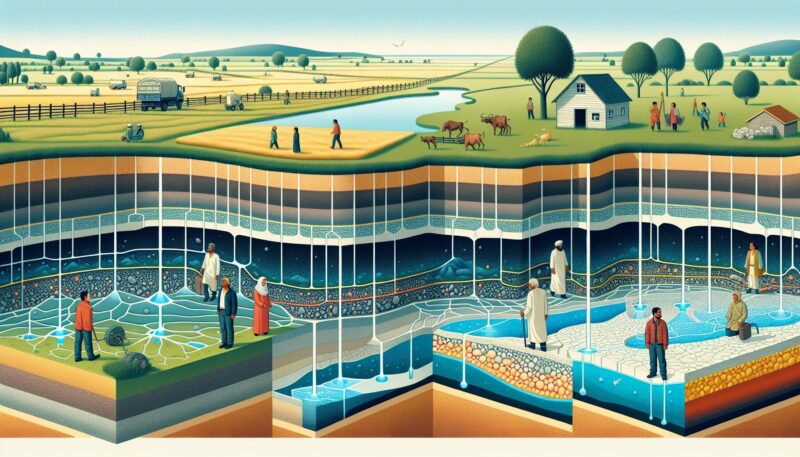
An aquifer is a geological formation that can store, transmit, and yield water. It is typically composed of permeable materials such as gravel, sand, silt, or fractured rock that allow water to move through the spaces between grains or cracks. Aquifers are refilled by the process of recharge, which is the addition of water from sources like rainfall, melting snow, or rivers.

Types of Aquifers

Aquifers come in different shapes and sizes, and they are broadly classified into two categories:

Confined Aquifers

A confined aquifer is bounded above and below by layers of impermeable rock or clay, which act as barriers to the flow of water. The water in these aquifers is typically under pressure, and when tapped by a well, it can rise above the top of the aquifer on its own volition, a phenomenon known as artesian pressure.

Unconfined Aquifers

An unconfined aquifer, also known as a water table aquifer, has a permeable layer on the top and an impermeable one below. The upper surface of this aquifer rises and falls with the amount of groundwater. It is recharged directly by the infiltration of water from the surface.

Importance of Aquifers

Aquifers are integral to the hydrologic cycle and to human survival. Here are a few reasons why they’re so crucial:

  • Water Supply: Globally, aquifers provide approximately 30% of our freshwater, supplying water to wells and springs used by billions for drinking, irrigation, and industrial purposes.
  • Ecosystem Support: Many ecosystems rely on the steady flow of groundwater from aquifers to sustain wetlands, rivers, and lakes, especially during dry seasons.
  • Drought Resilience: Aquifers can act as natural storage that can be drawn upon during droughts, offering some resilience to communities against water scarcity.
  • Climate Change Buffer: As a buffer against climate change, aquifers can store water during periods of excess and supply it during times of need, assisting in managing the increasing variability in precipitation patterns.

Challenges Faced by Aquifers

While aquifers are vital, they are not immune to environmental and human-induced stresses. Some of the challenges include:

Overexploitation

Excessive withdrawal of water for agriculture, industry, and human consumption can lead to the depletion of aquifers. This might cause a decline in water quality and the compaction of the aquifer system, ultimately resulting in land subsidence.

Pollution

Aquifers are susceptible to contamination from various sources like agricultural runoff, leaking septic tanks, and industrial spills. Pollutants can seep into the groundwater and render it unsafe for human use and harmful to the environment.

Climate Change

Altered precipitation patterns can affect the recharge rates of aquifers. In some cases, climate change is projected to decrease the amount of water percolating down to aquifers while simultaneously increasing the demand for water.

Saltwater Intrusion

In coastal areas, overpumping of groundwater can cause saltwater to intrude into the aquifer, degrading the quality of the freshwater supply and complicating water treatment.

Protecting and Managing Aquifers

Given the value of aquifers, we must take steps to safeguard and sustainably manage them:

Sustainable Water Withdrawal

Implementing policies that regulate the amount of water extraction to balance with the natural replenishment rates of aquifers is essential.

Pollution Prevention

Enforcing strict regulations to minimize pollution and monitor potential contaminant sources can help protect aquifer water quality.

Artificial Recharge

Projects that enhance the natural recharge of aquifers, such as building retention ponds or restoring wetlands that absorb rainfall and runoff, can help to replenish groundwater.

Water Conservation

Reducing water usage through conservation practices and technologies can lower the stress on aquifers.

Monitoring and Research

Continuous monitoring and research are needed to understand aquifer systems better. This can guide appropriate management strategies and predict how aquifers will respond to future stresses.

Conclusion

Aquifers may be invisible to the naked eye, but their impact is profoundly felt across the globe. They are not just underground lakes or streams but complex, dynamic systems that play a critical role in our ecosystems and livelihoods. The pressure on these resources is increasing, and we have a collective responsibility to ensure their longevity for future generations.

As we become more mindful of our water footprint, recognize the threats facing our aquifers, and embrace the science and policies aimed at protecting them, we can move towards a future where our hidden water reserves remain a bountiful and clean resource.

Sources

  1. “Groundwater and Aquifers,” USGS Water Science School. https://www.usgs.gov/special-topics/water-science-school/science/groundwater-and-aquifers
  2. “The importance of groundwater,” National Groundwater Association. https://www.ngwa.org/what-is-groundwater/Importance-of-groundwater
  3. “Aquifer Basics,” National Atlas of the United States. https://www.usgs.gov/faqs/what-is-an-aquifer?qt-news_science_products=0#qt-news_science_products

Understanding and respecting the complexity of aquifers ensures that these subterranean treasures continue to support life on our planet, even as they lie hidden beneath our feet.
Understanding the Hydrologic Cycle: Earth’s Vital Water Flow

Water is a fundamental component of life on Earth, and the hydrologic cycle, also called the water cycle, is the system that governs the movement and distribution of water around the globe. This complex and continuous process ensures that water resources are replenished and made available for all forms of life, supporting ecosystems, economies, and human livelihoods. In this in-depth exploration, we’ll take a closer look at the stages of the hydrologic cycle, how they function, and why understanding them is critical to addressing modern-day challenges such as climate change, water scarcity, and environmental conservation.

The Stages of the Hydrologic Cycle

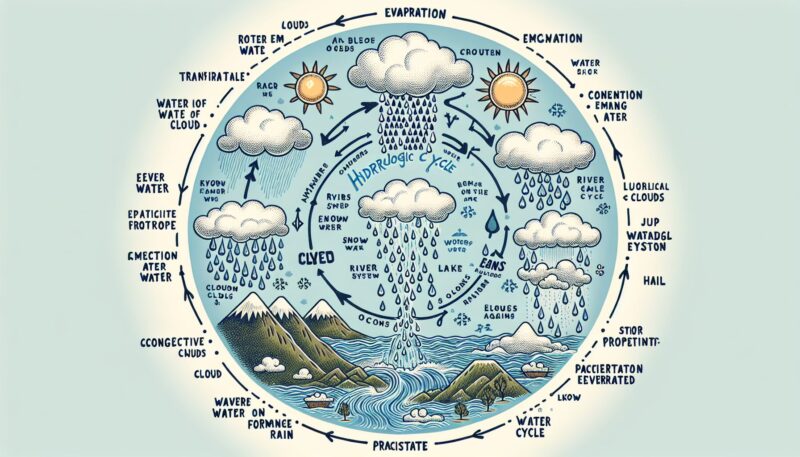
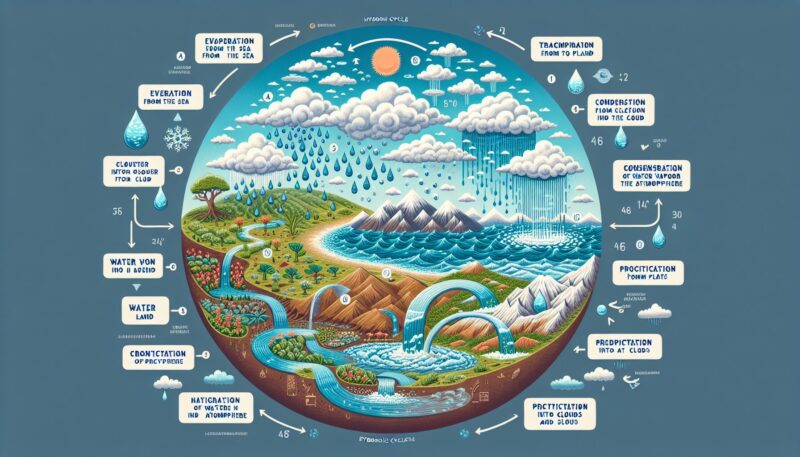
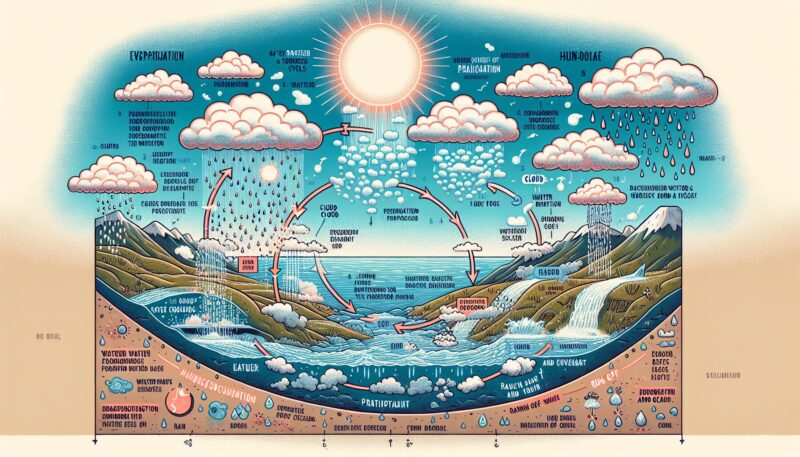
The hydrologic cycle involves several key processes: evaporation, transpiration, condensation, precipitation, infiltration, percolation, runoff, and groundwater flow. Each stage plays a significant role in the movement of water from one reservoir to another.

Evaporation

Evaporation is the process by which water changes from a liquid to a gas, typically vapor, due to heat from the sun. Bodies of water like oceans, rivers, and lakes are major sources of evaporation. Even soil moisture and other wet surfaces contribute to the amount of water vapor in the atmosphere.

Transpiration

Transpiration occurs when plants absorb water through their roots and then release water vapor into the atmosphere through their leaves. This process is an integral part of the water cycle as it is responsible for a significant portion of the water that enters the atmosphere.

Condensation

As water vapor rises and cools, it transforms back into liquid form. This process is known as condensation and is what creates clouds and fog in the sky. Condensation is a crucial step in the formation of precipitation.

Precipitation

When water droplets in clouds grow heavy enough, they fall to the Earth as precipitation. This can come in the form of rain, snow, sleet, or hail. Precipitation is the main method by which water is delivered from the atmosphere back to the Earth’s surface.

Infiltration and Percolation

When precipitation hits the ground, some of it soaks into the soil, a process called infiltration. The water then moves downward through the soil in a process known as percolation. This movement filters the water and replenishes groundwater stored in aquifers.

Runoff

Not all precipitation can infiltrate the ground – when the soil is saturated or the surface is impermeable, water flows over the land. This is known as runoff. Runoff eventually collects in streams, rivers, and lakes, and is an important component in determining water quality and availability.

Groundwater Flow

Groundwater that resides in aquifers can move through the rock and sediment, providing a slow but steady discharge into streams, lakes, and oceans. This baseflow helps maintain water levels in these bodies during times of low precipitation.

Streamflow and Baseflow

Streamflow is the movement of water within a river or stream. During periods of heavy rainfall or snowmelt, streamflow can increase significantly. Baseflow, on the other hand, is the normal day-to-day flow of a stream, fed by groundwater seeping into the river bed.

Importance of the Hydrologic Cycle

The hydrologic cycle is vital for many reasons. It is responsible for the distribution of freshwater across the planet, supporting human needs, agriculture, and wildlife. Moreover, it influences weather patterns and climate systems, contributing to phenomena such as El Niño and monsoons.

Climate Change and the Hydrologic Cycle

Climate change is altering the hydrologic cycle in profound ways. Warmer temperatures can increase the rate of evaporation, potentially leading to more intense periods of drought in some regions and heavier rainfall in others. These changes can result in crop failures, water shortages, and an increase in extreme weather events [1].

Water Scarcity and the Hydrologic Cycle

Water scarcity affects over 40% of the global population, and it’s exacerbated by disruptions in the hydrologic cycle [2]. Overuse and pollution of freshwater resources, combined with changes in precipitation patterns, can lead to chronic shortages that impact drinking water supplies, agriculture, and industry.

Environmental Conservation and the Hydrologic Cycle

Protecting natural habitats is intrinsically linked to preserving the hydrologic cycle. Wetlands, for instance, play a crucial role in filtering pollutants from runoff and maintaining groundwater levels. Deforestation and urbanization can disrupt local hydrologic cycles, leading to soil erosion, loss of wildlife habitat, and diminished water quality [3].

The Future of Water Management

Understanding the hydrologic cycle is essential for effective water management. As populations grow and climate patterns shift, we must develop strategies to sustainably manage water resources. This involves investing in infrastructure that can adapt to changing conditions, such as resilient water storage systems, efficient irrigation techniques, and advanced wastewater treatment facilities.

Water Conservation Techniques

Everyone has a role to play in conserving water. Simple actions like fixing leaks, using water-efficient appliances, and adopting xeriscaping in arid regions can significantly reduce water usage. Rainwater harvesting and greywater reuse systems can also supplement traditional water sources and reduce dependence on groundwater and surface water.

Advances in Water Treatment

Water treatment technologies have evolved to meet the challenge of providing clean water despite increasing pollution. Reverse osmosis, UV irradiation, and advanced oxidation processes are just some of the methods being employed to ensure water safety for human consumption. Innovative solutions like nanotechnology and bioremediation are also being explored to tackle contaminants like heavy metals, pharmaceuticals, and microplastics.

Conclusion

The hydrologic cycle is a beautiful, complex interweaving of processes that ensure water’s movement and availability across our planet. Appreciating the intricacy and importance of this cycle is the first step toward sustainable water management and environmental stewardship. As we face the challenges brought on by a changing climate and increasing demands for fresh water, our understanding and respect for the hydrologic cycle will be paramount in charting a course for a water-secure future.

Sources

  1. National Climate Assessment. (2018). Water Cycle Changes. Retrieved from https://nca2014.globalchange.gov
  2. United Nations Water. (2018). Facts and Figures. Retrieved from https://www.unwater.org
  3. Environmental Protection Agency. (2018). Why are Wetlands Important? Retrieved from https://www.epa.gov

Note: The year in the sources is used for illustrative purposes and may not reflect the most current data available. Always check the latest reports and data for the most up-to-date information.

The Hydrologic Cycle: Earth’s Lifespan and Our Vital Resource

Water is the lifeblood of our planet. Whether it’s the streams that nurture our forests, the rain that replenishes our soils, or the oceans that moderate our climate, every drop is part of a complex and continuous journey known as the hydrologic cycle. In this article, we will dive into the perpetual flow that sustains ecosystems, civilizations, and our very existence, exploring the intricate processes and critical importance of the hydrologic cycle.


Introduction to the Hydrologic Cycle

The hydrologic cycle, also known as the water cycle, is the endless movement of water on, above, and below the surface of the Earth. This cycle is a fundamental element of our planet’s system owing to its role in the distribution and quality of water. Understanding the hydrologic cycle is essential not only for the preservation of our natural environment but also for managing our water resources sustainably.

What is the Hydrologic Cycle?

At its core, the hydrologic cycle is the natural sequence of processes by which water is circulated throughout the Earth’s hydrosphere [1]. It encompasses various stages:

  1. Evaporation: The transformation of water from liquid to gas when it absorbs heat energy from the sun.
  2. Transpiration: The release of water vapor from plants into the atmosphere.
  3. Condensation: The process where water vapor cools and changes back into liquid droplets, forming clouds.
  4. Precipitation: Water falls from clouds as rain, snow, sleet, or hail.
  5. Infiltration: Water soaks into the soil surface and moves deeper into the ground.
  6. Percolation: Further movement of infiltrated water through the soil and porous rock layers.
  7. Runoff: Water flowing on the land’s surface toward rivers, lakes, and oceans.
  8. Streamflow: The movement of water within a river or stream.
  9. Baseflow: The part of streamflow that is sustained between rainfall events, fed by groundwater.
  10. Groundwater: Water located below the Earth’s surface in soil pore spaces and in the fractures of geologic formations.

Each of these steps plays a critical role in the cycle’s balance and the overall distribution of the Earth’s freshwater resources.

Why is the Hydrologic Cycle Important?

The importance of the hydrologic cycle cannot be overstated. It supports all terrestrial life by distributing fresh water across the globe. It moderates the climate by transporting heat via ocean currents. It shapes our landscapes through erosion and sediment deposition. Moreover, it is intimately tied to global weather patterns and natural phenomena like El Niño.

Components of the Hydrologic Cycle

Evaporation and Transpiration

Together, evaporation and transpiration account for the transfer of vast amounts of water vapor into the atmosphere. Evaporation occurs over water bodies like oceans, rivers, and lakes, while transpiration happens through plants. The combined effect, often referred to as “evapotranspiration,” is a key mechanism for returning water to the atmosphere and a critical component of the hydrologic cycle [2].

Condensation and Precipitation

Condensation is the formation of liquid water from vapor, which primarily happens in the atmosphere when air masses cool down. This leads to the creation of clouds and eventually results in precipitation. Precipitation can occur in various forms – from rain to snow to hail, depending on the temperature and atmospheric conditions, and it is the primary method by which water returns to the Earth’s surface.

Infiltration, Percolation, and Groundwater

Once water reaches the ground, it either becomes runoff or infiltrates the soil. Infiltrated water can percolate down to recharge groundwater aquifers. Groundwater then moves slowly through aquifer systems and can emerge to feed rivers and lakes or get discharged into the oceans. Percolation also filters the water and can improve its quality by removing particulates and contaminants.

Runoff and Streamflow

Runoff is a direct response to precipitation and the amount can vary greatly depending on factors like soil saturation, vegetation, and land use. Runoff contributes to streamflow, which is the flow of water in streams, rivers, and other channels. It is a crucial component of the hydrologic cycle and an essential source of fresh water for many ecosystems and human uses.

Baseflow

Baseflow is often regarded as the lifeline for streams and rivers during dry periods. It provides a continuous flow of water from the groundwater system to the stream channel, ensuring that aquatic habitats and water quality are maintained even in the absence of recent precipitation.

The Global Impact of the Hydrologic Cycle

The hydrologic cycle is not just a local or regional phenomenon; it’s a global system that impacts the environment, economy, and society. Let’s look at some of those impacts now.

Climate Regulation and Weather Patterns

The movement of water within the hydrologic cycle plays a critical role in regulating Earth’s climate. Oceans absorb significant amounts of heat and transport it via currents such as the Gulf Stream. Moreover, the cycle is directly linked to weather patterns, where evaporation from the ocean surfaces can lead to storm formation and precipitation on land.

Ecological Balance

Water cycling is essential to maintaining the balance of ecosystems. Water availability affects vegetation growth, which in turn influences habitat conditions for wildlife. Aquatic ecosystems especially rely on the cycle’s various processes to sustain the water quality and levels necessary for the survival of species.

Human Usage and Agriculture

Humans rely on the hydrologic cycle for drinking water, agriculture, industry, and energy production. The cycle provides the freshwater we need, recharged through precipitation and stored in aquifers. Meanwhile, agriculture depends on predictable rainfall and snowmelt patterns to irrigate crops and sustain livestock.

Challenges to the Hydrologic Cycle

Human activities and climate change are increasingly impacting the hydrologic cycle. Deforestation, urban development, and the intensification of agriculture alter natural water flows, leading to changes in runoff patterns and groundwater recharge. Climate change can lead to altered precipitation patterns, melting glaciers, and sea-level rise, which can shift the delicate balance of the cycle [3]. Water pollution, from contaminants such as heavy metals, pathogens, and microplastics, further challenges the water quality and availability for ecosystems and human consumption.

Preserving the Hydrologic Cycle

To preserve the integrity of the hydrologic cycle, proactive measures are necessary:

Sustainable Water Management

Efficient usage and management of water resources are crucial. Rainwater harvesting, greywater reuse, and innovative irrigation techniques can help in water conservation. Improved infrastructure for water treatment and distribution, and leakage detection can reduce water loss and contamination.

Pollution Prevention and Water Treatment

Mitigating water pollution through regulations and by treating wastewater before release into the environment is essential. Advanced treatment methods like reverse osmosis, UV irradiation, and ion exchange can help ensure water cleanliness and safety.

Climate Change Mitigation

Reducing greenhouse gas emissions and transitioning to renewable energy sources can help curb climate change impacts on the hydrologic cycle. Protecting wetlands, forests, and other important ecosystems also contributes to the resilience of the water cycle.

Research and Monitoring

Ongoing research to understand the complexities of the hydrologic cycle and the impact of human activities is vital. Continuous monitoring using satellites, ground stations, and

Understanding the Hydrologic Cycle: Earth’s Essential System for Water Movement

Water is the lifeblood of our planet, serving as a critical element for the survival of nearly all living organisms. Central to the movement and redistribution of water is the hydrologic cycle, a complex and continuous process that maintains the balance of freshwater on Earth. In this article, we will dive into the depths of the hydrologic cycle, exploring its various stages and the crucial role it plays in our environment. We will also touch upon related concepts and consider the impacts of human activity on this vital cycle.

What is the Hydrologic Cycle?

The hydrologic cycle, also known as the water cycle, is a natural process by which water circulates through the Earth’s hydrosphere. It encompasses a series of interconnected stages including evaporation, transpiration, condensation, precipitation, infiltration, percolation, runoff, and storage in various water bodies. Each stage of the cycle is driven by solar energy, gravity, and the dynamic nature of Earth’s atmosphere and landscape.

Evaporation and Transpiration

Evaporation is the process where water is heated by the sun and turns into vapor, rising into the atmosphere. Transpiration is the evaporation of water from plants through small openings called stomata. When combined, these two processes are referred to as evapotranspiration, a major pathway for water to enter the atmosphere.

Condensation

As water vapor rises and cools, it undergoes condensation, changing back into liquid and forming clouds in the atmosphere. This stage is dependent on atmospheric conditions and is influenced by factors like temperature, pressure, and humidity.

Precipitation

Precipitation occurs when the accumulated water in the clouds reaches a point where the air can no longer hold it. The condensed water falls back to the Earth as rain, snow, sleet, or hail, replenishing bodies of water and the land.

Infiltration and Percolation

Upon reaching the ground, water infiltrates the soil, seeping down through the layers of earth and rock in a process called percolation. The speed and extent of infiltration are affected by soil properties, land cover, and topography.

Runoff and Streamflow

Excess water that does not infiltrate the soil contributes to runoff, which flows over the land’s surface towards rivers, lakes, and oceans. Streamflow, the movement of water within a river or stream, is a component of runoff and plays a critical role in shaping the landscape and delivering nutrients and sediments.

Groundwater and Aquifers

Some infiltrated water reaches the water table and replenishes the groundwater stored in aquifers. Groundwater movement is much slower compared to surface water and is an essential source for springs, wells, and maintaining baseflow in rivers and streams during dry periods.

Storage and Reservoirs

Water is stored in various natural and artificial reservoirs, including lakes, wetlands, glaciers, oceans, and constructed dams. These storage systems regulate the water supply and maintain ecological balance.

Discharge and Recharge

Aquifers release water into rivers and oceans through the process of discharge. Conversely, they are refilled or recharged, primarily through precipitation that infiltrates the ground. The cycle is thus continuous, with each phase interconnected with the others.

The Importance of the Hydrologic Cycle

The hydrologic cycle is fundamental for several reasons:

  • Supporting Life: It distributes and recycles freshwater, making it available for plants, animals, and humans.
  • Regulating Climate: The movement and transfer of water into the atmosphere impacts weather patterns and temperatures.
  • Forming Landscapes: Water flow shapes our environment, carving river valleys, transporting nutrients, and facilitating the creation of various landforms.

Human Impact on the Hydrologic Cycle

Human activity has significantly altered the natural hydrologic cycle. Urbanization, agriculture, deforestation, and climate change have impacts such as:

  • Altered Runoff Patterns: The replacement of natural landscapes with impermeable surfaces increases runoff and can lead to flooding.
  • Groundwater Depletion: Excessive extraction of groundwater for irrigation and consumption has led to declining water tables and aquifer depletion.
  • Water Quality Degradation: Pollution from industrial, agricultural, and domestic sources compromise water quality, affecting ecosystems and human health.
  • Climate Change: Increases in greenhouse gases are changing precipitation patterns, intensifying droughts and storms, and accelerating the melting of glaciers and ice caps.

Protecting the Hydrologic Cycle

To ensure the sustainability of the hydrologic cycle, various measures can be undertaken:

  • Water Conservation Efforts: Encouraging water-saving practices and the efficient use of water resources.
  • Improving Water Management: Implementing integrated water resources management that considers the entire watershed or catchment area.
  • Restoring Natural Ecosystems: Promoting the regeneration of forests, wetlands, and natural habitats to maintain the balance of the water cycle.
  • Combating Climate Change: Reducing greenhouse gas emissions and supporting mitigation strategies to minimize global temperature rise and its impact on the water cycle.

Conclusion

The hydrologic cycle is a vital and elegant system that works to sustain life and shape the environment on our planet. It is important that we understand and respect this cycle, recognizing its delicate balance and the responsibilities we carry in preserving it. Only through conscious efforts to protect and manage our water resources can we ensure a healthy and robust hydrologic cycle for generations to come.

Sources

  1. U.S. Geological Survey. (n.d.). The Water Cycle. https://www.usgs.gov/special-topics/water-science-school/science/water-cycle
  2. National Oceanic and Atmospheric Administration. (n.d.). The Water Cycle. https://www.noaa.gov/education/resource-collections/freshwater/water-cycle
  3. World Water Assessment Programme of UNESCO. (n.d.). The United Nations World Water Development Report 2020: Water and Climate Change. https://www.unwater.org/publication_categories/world-water-development-report/