Author: Tracy Castro

Understanding the Hydrologic Cycle: Earth’s Essential System for Water Movement

Our planet, often referred to as the “blue marble,” owes much of its beauty and its very ability to support life to a vast and complex system known as the hydrologic cycle. This continuous movement of water on, above, and below the surface of the Earth is fundamental to the existence of the ecosystems we see around us, the weather patterns we experience, and the water resources we rely upon.

What is the Hydrologic Cycle?

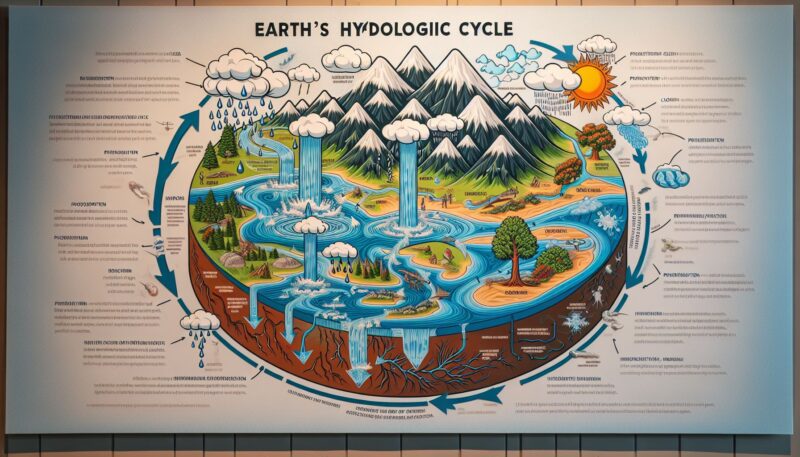
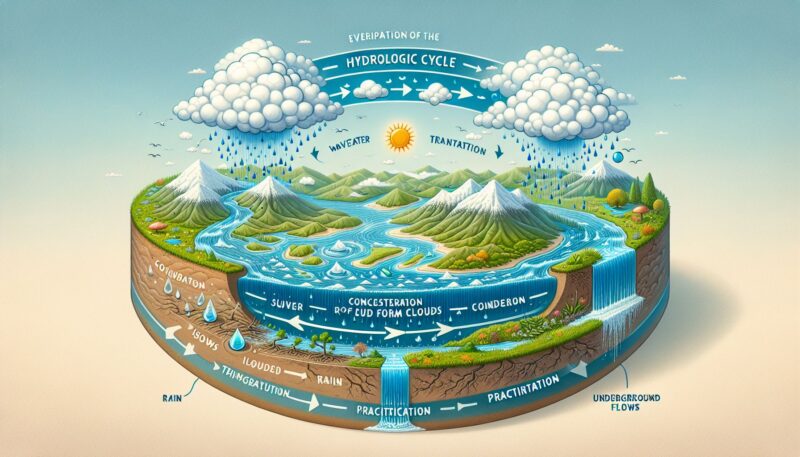
The hydrologic cycle, also known as the water cycle, is the process by which water circulates throughout the Earth’s hydrosphere, involving various stages such as evaporation, condensation, precipitation, infiltration, runoff, and subsurface flow. This cycle plays a critical role in maintaining the balance of water within our environment – in the oceans, on the land, and in the atmosphere.

The Stages of the Hydrologic Cycle

Evaporation

Evaporation is the process by which water changes from a liquid to a gas (vapor). It primarily occurs in the oceans, which cover about 70% of Earth’s surface, thus making them the most significant source of atmospheric water vapor. Evaporation also takes place in bodies of freshwater, including rivers, lakes, and wetlands.

Transpiration

Closely linked to evaporation is transpiration – the release of water vapor by plants and trees into the atmosphere. It is a vital part of their metabolic process. Together, the sum total of evaporation from the Earth’s surfaces and transpiration is termed “evapotranspiration.”

Condensation

As water vapor rises and cools in the atmosphere, it condenses to form clouds. This phase signifies the transition of water from a gaseous state back to a liquid, or in some cases, a solid state (ice).

Precipitation

Precipitation occurs when water droplets within clouds grow heavy enough and fall to the Earth’s surface in various forms, such as rain, snow, sleet, or hail.

Infiltration

Once water reaches the ground, it can do one of two things: it may infiltrate, which means to penetrate into the soil, or it might become surface runoff. Infiltration largely replenishes soil moisture and is crucial for groundwater recharge.

Percolation

Water that infiltrates the soil can move deeper to percolate through the soil and rock layers. This slow movement toward the water table is a key player in the purification of water as it filters through the Earth’s materials.

Runoff

Water that does not infiltrate becomes runoff, flowing across the land’s surface towards streams, rivers, lakes, or the ocean. Runoff is affected by surface materials, vegetation cover, and topography.

Groundwater Movement

Subterranean water, or groundwater, travels through aquifers – the underground layers of water-bearing permeable rock or materials. Aquifers serve as natural storage for freshwater.

Discharge

Groundwater eventually reaches the surface again at springs or through discharge into rivers and lakes, contributing to what is known as baseflow – the portion of streamflow that is sustained between rainfall events.

The Importance of the Hydrologic Cycle

The hydrologic cycle is a natural system that sustains life on Earth in many ways:

  • Weather Patterns: Water vapor is a critical factor in weather conditions and climate. Its movement and changes in state are energy-intensive processes that affect atmospheric conditions dramatically.
  • Ecosystems: The distribution of water via the hydrologic processes supports habitats and biodiversity across the globe.
  • Water Resources: The cycle replenishes fresh water supplies, making it available for consumption, agriculture, and industry.

Current Challenges Affecting the Hydrologic Cycle

Despite its resilience, the hydrologic cycle is vulnerable to several challenges amplified by human activities:

  • Climate Change: Alterations in the Earth’s climate due to human activity can modify the hydrologic cycle, leading to changes in precipitation patterns, intensifying droughts, and increasing the frequency of severe weather events.
  • Water Pollution: The introduction of contaminants from various sources such as industrial waste, agricultural runoff, and improper waste disposal can degrade water quality at different cycle stages.
  • Land Use Changes: Urbanization and deforestation can affect infiltration rates, increasing runoff and altering the recharge of aquifers.

The Science and Study of Hydrology

Studying the hydrologic cycle falls within the realm of hydrology – the science that encompasses the properties, distribution, and effects of water on the Earth’s surface, in the soil and underlying rocks, and in the atmosphere.

Hydrology’s Role

  • Water Conservation: It provides insight into efficient water use and the maintenance of water supplies.
  • Flood Mitigation: It helps predict and manage the risk of floods, ensuring safer human settlements.
  • Water Quality Management: Hydrologists study how pollutants travel through the cycle to reduce contamination risks.

Measuring and Modeling the Hydrologic Cycle

Sophisticated methods involving satellite imagery, ground-based observations, and computer simulations aid hydrologists in their quest to understand and manage the Earth’s water resources. Data collected are crucial for creating models that can predict changes and help us make informed decisions about water management.

Leading Organizations in Hydrology

  • U.S. Geological Survey (USGS): The USGS Water Resources mission area conducts water-cycle research and maintains extensive databases on hydrologic data.
  • World Meteorological Organization (WMO): The WMO provides global guidance and standards for hydrology and water resources management.
  • United Nations Educational, Scientific and Cultural Organization (UNESCO): UNESCO’s International Hydrological Programme (IHP) promotes the sustainable use and management of water resources.

Conclusion

The hydrologic cycle is an extraordinary and dynamic part of our world’s natural systems. It operates on a massive scale that can be easy to overlook in our day-to-day lives, yet it is absolutely central to our survival.

Protecting the integrity of this cycle implies understanding and addressing the challenges we pose to it through activities such as land development, the emission of greenhouse gases, and the discharge of pollutants. It is a delicate balance to manage our needs with the necessity to maintain the health of the hydrologic cycle.

Sound science and policy in hydrology will be integral to ensuring water’s availability for future generations and the resilience of our ecosystems. It stands as a testament to the essential nature of water in our lives and the interconnectedness of the environment, human society, and the broader global community.


This article was crafted with the intent to provide an informative overview of the hydrologic cycle and its importance. It is designed to engage readers in the topic of hydrology and the critical role water plays in our environment.
The Intricacies of Water Quality and Its Vital Role in Ecological and Human Health

Water, often termed the “elixir of life,” is crucial for sustaining all known forms of life. Its quality not from its mere presence but rather from its characteristics that support life forms, including humans, flora, and fauna. In this comprehensive overview, we’ll delve into the pivotal subject of water quality, examining what it entails, why it matters, and how it’s affected by natural and anthropogenic factors. We’ll also touch on measures taken to safeguard it and promote water sustainability for future generations.

What is Water Quality?

Water quality refers to the chemical, physical, biological, and radiological characteristics of water. It’s a measure of the condition of water relative to the requirements of one or more biotic species and or to any human need or purpose. The parameters of water quality generally relate to the concentration of different substances and elements within a body of water, which may include anything from minerals and salts to biological contaminants and industrial pollutants.

The Significance of Water Quality

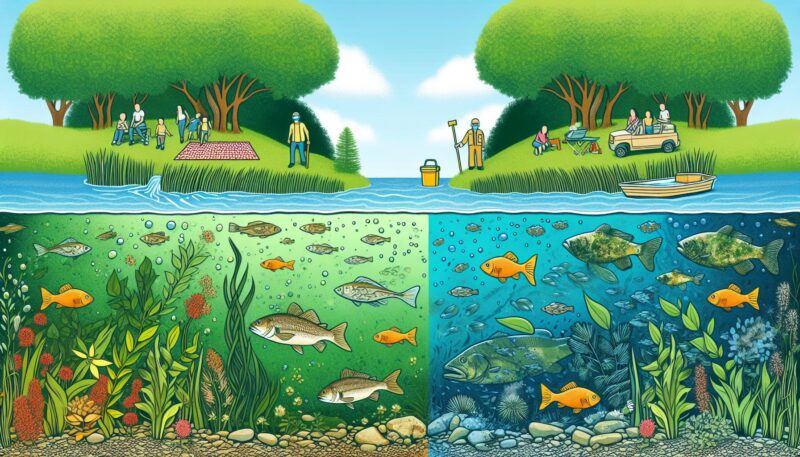
The quality of water is essential for a multitude of reasons. It impacts ecosystem health, agriculture, recreation, drinking water supplies, and industrial processes. High-quality water ensures the thriving of aquatic life and provides safe consumption for humans and animals. Conversely, poor water quality can lead to waterborne diseases, ecosystem degradation, and economic losses in sectors that depend on clean water.

Factors Influencing Water Quality

Natural Factors

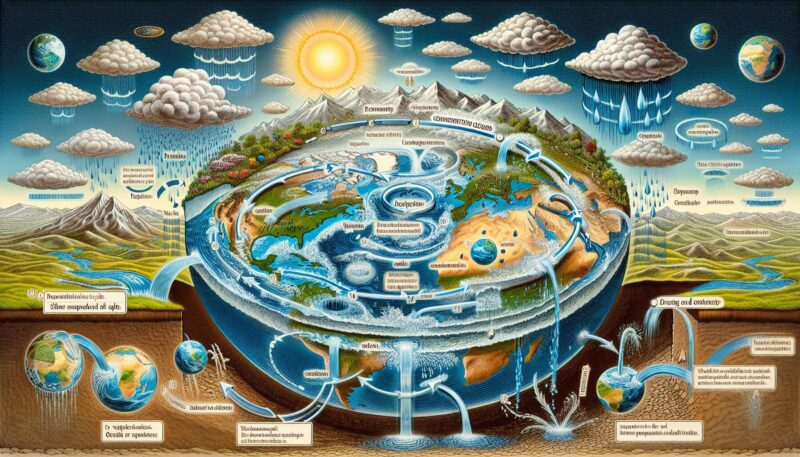
  • Hydrologic cycle: The global cycle of water movement, including precipitation, evaporation, and condensation, plays a significant role in water quality by diluting or concentrating substances.
  • Geological formations: The composition of underlying rocks and soils can affect water’s mineral content and pH.
  • Biotic interactions: Aquatic organisms, including algae and plants, can alter water quality through processes like biofiltration and oxygen production.

Human Factors

  • Industrial activities: The discharge of pollutants, such as heavy metals and chemicals, can significantly degrade water quality.
  • Agriculture: Fertilizer and pesticide runoff contribute to nutrient loading and potential eutrophication in bodies of water.
  • Urban runoff: Stormwater can carry pollutants, including oil, grease, and urban waste, into water systems.
  • Waste disposal: The improper disposal of waste can lead to the introduction of pathogens and toxic substances into water bodies.

Indicators of Water Quality

Several parameters are commonly used to assess water quality. These indicators provide insights into the health and suitability of water for various purposes:

  • Dissolved oxygen (DO): Oxygen is essential for the survival of aquatic organisms. Low DO levels can be a sign of pollution and poor water quality.
  • pH: A measure of acidity or alkalinity; extreme pH levels can be harmful to aquatic life and affect the solubility of pollutants.
  • Turbidity: High turbidity can reduce light penetration, affecting photosynthesis in aquatic plants and the habitat of organisms.
  • Salinity: Salt levels influence the types of organisms that can live in water and can affect agricultural irrigation.
  • Nutrients: Excessive nutrients, such as nitrogen and phosphorus, can lead to eutrophication and algal blooms.
  • Pathogens: The presence of bacteria, viruses, and parasites indicate potential health risks for humans and animals.
  • Heavy metals: Metals like lead, mercury, and cadmium are toxic and can bioaccumulate in the food chain.

Threats to Water Quality

Pollution

Pollution remains one of the most critical threats to water quality. Industrial effluents, agricultural runoff, and untreated sewage introduce various contaminants, including toxic chemicals and organic waste, that can have dire consequences for ecosystems and human health.

Eutrophication and Algal Blooms

A direct result of nutrient pollution, eutrophication causes dense algal blooms that reduce oxygen levels in water, leading to dead zones where aquatic life cannot survive. This process not only destroys habitats but can also produce toxins that are harmful to animals and humans.

Climate Change

Climate change exacerbates water quality issues by altering precipitation patterns, increasing the frequency of extreme weather events, and causing temperature changes that can affect the solubility and reactivity of chemicals in water.

Safeguarding Water Quality

Water Treatment Processes

To ensure water is safe for specific uses, various treatment processes are employed:

  • Filtration: Removes particulate matter from water.
  • Disinfection: Utilizes methods like chlorination, ozonation, or UV irradiation to kill pathogens.
  • Coagulation and Flocculation: Chemicals are added to water to enable the clumping and settling of suspended particles.
  • Sedimentation: Allows the removal of coagulated particles from the water.
  • Ion exchange and Adsorption: Techniques used to remove dissolved inorganic contaminants.

Laws and Regulations

Governments implement laws and regulations to set water quality standards and control the release of pollutants into water bodies. For example:

  • The Clean Water Act (CWA) in the United States establishes the basic structure for regulating discharges of pollutants into waters and regulating quality standards for surface waters (US EPA).
  • The European Water Framework Directive (WFD) aims to achieve good qualitative and quantitative status of all water bodies in the EU (European Commission).

Community Engagement and Education

Public awareness and community involvement are crucial for maintaining water quality. Initiatives that promote proper waste disposal, reduction in the use of pollutants, and conservation efforts all contribute to preserving water quality.

Conclusion

The complexities surrounding water quality are numerous and diverse, reflecting the intricate interdependence between water and living organisms. It’s clear that maintaining the integrity of our planet’s water is not just an environmental issue but a profound concern that touches every facet of human civilization. As challenges like pollution, climate change, and water scarcity intensify, our collective responsibility to protect and enhance water quality becomes even more paramount.

Policy actions, technological advancements, community water stewardship, and international cooperation need to keep pace with these issues. The fate of our ecosystems, our health, and our economies are deeply intertwined with the quality of the water we rely on. Therefore, we must rise to the challenge of safeguarding this vital resource, ensuring that its quality remains at the core of sustainability efforts for generations to come.

Understanding the Hydrologic Cycle: Earth’s Vital Water Movement

The hydrologic cycle, also known as the water cycle, is a continuous global process by which water is circulated throughout the Earth’s hydrosphere. It is a critical natural process that sustains life on our planet, involving the movement of water through the atmosphere, surface, and sub-surface areas. The hydrologic cycle is intricate and involves various stages, including precipitation, evaporation, transpiration, condensation, infiltration, percolation, runoff, and streamflow. Understanding how this cycle works is fundamental in appreciating its impact on ecosystems, human societies, and the global climate.

The Stages of the Hydrologic Cycle

The hydrologic cycle is the central mechanism behind the distribution and movement of water within the Earth’s environment. Let’s delve into its key stages:

1. Evaporation

Evaporation represents the transformation of water from liquid to gas. It primarily occurs over the oceans, lakes, and rivers due to the heat from the sun. This process also takes place to a lesser extent from soil and vegetation surfaces. Through evaporation, water vapor is released into the atmosphere, playing a fundamental role in climate dynamics by transferring heat energy from the Earth’s surface to the atmosphere.

2. Transpiration

Transpiration is the process through which water is evaporated from plant surfaces, mainly from the leaves. When plants absorb water from the soil, only a portion is used for growth and metabolism. The remaining water is released into the atmosphere. Transpiration, combined with evaporation, is commonly referred to as evapotranspiration.

3. Condensation

As water vapor rises and cools in the atmosphere, it transforms into tiny droplets of water or ice crystals when it reaches its dew point. This process is condensation, which is responsible for the formation of clouds. The condensed water in clouds may be transported by winds over considerable distances.

4. Precipitation

Water returns to the surface in the form of precipitation, which includes rain, snow, sleet, or hail. Precipitation occurs when the water droplets or ice crystals in clouds combine to become heavy enough to fall under gravity. This stage redistributes water across the surface of the Earth, replenishing rivers, lakes, and groundwater.

5. Infiltration

Once water reaches the Earth’s surface, it can infiltrate the soil. Infiltration is the downward movement of water into the soil surface, which can later be used by plants for transpiration or contribute to groundwater recharge.

6. Percolation

As water moves deeper below the soil surface, it continues through a process called percolation. This movement carries water through the soil and rock layers until it reaches the saturated zone or aquifer.

7. Runoff

Not all water infiltrates immediately into the soil. Some water flows horizontally across the land surface as runoff. This occurs because the soil is fully saturated, frozen, or the rainfall is too intense to perm

8. Streamflow

Runoff often converges into streams and rivers. This water movement is referred to as streamflow. It plays an essential role in shaping the Earth’s landscape by eroding and transporting sediment.

9. Baseflow

Groundwater that enters rivers and streams through the riverbed and banks is known as baseflow. It’s a crucial component of a river’s flow, particularly during dry periods, providing a continuous source of water to rivers and streams.

10. Groundwater Movement

Once percolated, the water joins the groundwater flow, moving slowly towards areas of lower elevation. Groundwater storage is in vast underground reservoirs known as aquifers.

The Impact of the Hydrologic Cycle

The hydrologic cycle is not just a scientific concept; it influences our weather, the availability of freshwater resources, and the health of our ecosystems. Here are a few of the profound impacts of the hydrologic cycle on the planet:

  • Climate Regulation: By transferring heat from the surface to the atmosphere, the hydrologic cycle has a major role in regulating the Earth’s climate.

  • Water Resources: Groundwater and surface water are crucial sources of drinking water and for irrigation in agriculture. The cycle facilitates the replenishment of these sources.

  • Ecosystems: Ecosystems rely on the predictable movement and availability of water through various stages of the cycle.

  • Weather Patterns: Rainfall and snowfall, which are part of the precipitation stage, are integral to weather patterns and can be predictors of weather changes.

  • Water Quality: The natural filtration through soil during infiltration and percolation can help purify water; however, the quality can be compromised by human activities.

The Human Impact and Water Quality Issues

Human activity has a profound influence on the hydrologic cycle, from climate change, which alters evaporation and precipitation patterns, to urbanization, which increases runoff and reduces infiltration. Contamination through pollution, whether it is from agricultural, industrial, or urban sources, profoundly affects water quality at various stages of the cycle.

Water Pollution

Water pollution occurs when harmful substances contaminate a stream, river, lake, ocean, aquifer, or any other body of water, degrading water quality and rendering it toxic to humans or the environment. Here are several common pollutants:

  • Nutrients: Excessive nutrients from agricultural runoff can lead to eutrophication, a process that can cause dead zones in aquatic environments due to depleted oxygen levels.

  • Pathogens: Bacteria, viruses, and parasites from sewage discharges or animal waste can contaminate water, making it unsafe for human use.

  • Heavy Metals: Industrial processes can introduce toxic heavy metals like lead and mercury, which can accumulate in wildlife and affect human health.

  • Microplastics: Tiny fragments of plastic, or microplastics, can find their way into waterways, posing a threat to marine life and potentially entering the human food chain.

Water Treatment

Mitigating the effects of water pollution is a major focus in water management. Water treatment technologies are developed to tackle pollution at various stages before water is deemed safe for human consumption or returned to the environment. Techniques employed in treatment plants include:

  • Filtration: Removing particles from water using a physical barrier.

  • Disinfection: Using chlorine, ozone, or UV irradiation to kill pathogens.

  • Coagulation and Flocculation: Chemical processes that help remove suspended particles by making them clump together so that they can be removed.

Modern water treatment facilities often use a combination of these and other methods like reverse osmosis, ion exchange, and adsorption to ensure water quality.

Water Conservation: A Necessary Response to Hydrologic Changes

As the global population increases and climate patterns shift, conserving water and managing the hydrologic cycle sustainably becomes increasingly important. Water conservation efforts can include:

  • Rainwater Harvesting: Collecting and storing rainwater for later use.

  • Greywater Reuse: Using wastewater from baths, sinks, and washing machines for purposes other than drinking, such as irrigation.

  • Water-Saving Technologies: Installing devices designed to reduce water use, such as low-flow faucets and dual-flush toilets

The Hydrologic Cycle: Earth’s Vital Water Engine

Water is the lifeblood of our planet. Every ecosystem, every organism, from the tiniest microbe to the largest animals, relies on water to survive. The hydrosphere, which encompasses all water on Earth—whether in the form of ocean, ice, river, lake, groundwater, or vapor—is in perpetual motion, and it’s all thanks to the hydrologic cycle. This fascinating natural process, also known as the water cycle, is our focus today. It’s the grand-scale system that governs the distribution and movement of water around the planet.

Understanding the Hydrologic Cycle

The hydrologic cycle describes the continuous journey water takes as it circulates from the Earth’s surface to the atmosphere and back again. It’s a complex, vast interconnection of several processes—precipitation, evaporation, transpiration, condensation, infiltration, percolation, runoff, and more. Let’s dive into each of these crucial stages.

Precipitation

Rain, snow, sleet, hail—these are the familiar forms of precipitation, where water falls from the atmosphere to the ground. It’s the primary method by which water in the atmosphere returns to Earth, replenishing rivers, lakes, and aquifers.

Evaporation

When water from oceans, rivers, lakes, or soil heats up, it turns into vapor and rises into the atmosphere. This transformation from liquid to gas is evaporation—a key driver in the cycle, especially over oceans, where it’s the major source of atmospheric moisture.

Transpiration

Plants are important players in the hydrologic cycle. They absorb water from the soil, which later exits the plants and enters the atmosphere as vapor through a process called transpiration. Together with evaporation, these are the cycle’s engine, moving water upward.

Condensation

As water vapor rises and cools in the atmosphere, it changes back into liquid form, creating clouds. This change from gas to liquid is condensation. The water droplets in the clouds aggregate until they’re heavy enough to fall as precipitation, repeating the process.

Infiltration and Percolation

Once precipitation reaches the ground, it doesn’t just sit there; it moves. Infiltration is the process by which water soaks into the soil, which may lead to percolation—the downward movement of water through soil and rock layers, often reaching the groundwater.

Runoff and Streamflow

Not all water infiltrates; some stays on the surface and flows horizontally, creating runoff. This water streams into gullies, creeks, and rivers—commonly referred to as streamflow. It’s a crucial water path, often ending up in lakes or oceans.

Baseflow and Groundwater

Groundwater stored in aquifers can feed into rivers and lakes, a process known as baseflow. It’s a fundamental component of river flow during dry periods. Groundwater, typically accessed through wells, is a primary freshwater source for both human use and ecosystem sustenance.

Recharge and Discharge

Aquifers don’t just supply water; they need to be replenished. Recharge is the process of adding water to an aquifer, typically from percolation. Discharge, meanwhile, is the release of groundwater into bodies of water, often contributing to the baseflow of rivers.

The Importance of the Hydrologic Cycle

The hydrologic cycle is essential for many reasons. It’s responsible for the distribution and accessibility of fresh water, which supports agriculture, industry, and domestic use. It regulates surface and atmospheric temperature. It’s also indispensable to all ecosystems, facilitating the transport of nutrients and supporting biodiversity.

Moreover, the cycle plays a significant role in weather and climate patterns. Precipitation and evaporation are key components in the transfer of energy between the surface and atmosphere, influencing wind patterns, storm formation, and temperature variations.

Human Impact and Challenges

As resilient and enduring as the hydrologic cycle is, human activities are affecting it in profound ways. Climate change, driven by the burning of fossil fuels and deforestation, is altering precipitation patterns, leading to more intense droughts and floods.

Water pollution, from industrial discharge to agricultural runoff, is harming water quality, affecting not only human health but also aquatic life. Nutrient pollution can lead to eutrophication—an enrichment of water by nutrients like nitrogen and phosphorus, causing dense algae growth and reducing oxygen levels, which can kill fish and other organisms.

Then there’s unsustainable water use. Over-extraction of groundwater, wasteful irrigation practices, and inefficient water infrastructure contribute to water scarcity. According to the World Wildlife Fund, by 2025, two-thirds of the world’s population may face water shortages. [1]

Towards Water Sustainability

Addressing these challenges requires comprehensive management and conservation of water resources. Techniques such as rainwater harvesting and greywater reuse aid in reducing demand on freshwater supplies. Improving water treatment technology—from reverse osmosis to coagulation and UV irradiation—promises cleaner water with less wastage. Water conservation is not just an environmental imperative but an economic and social one as well.

Conclusion

The hydrologic cycle is a natural wonder, essential to our very existence. Understanding its mechanisms and the impact humans have on it is the first step towards safeguarding our most precious resource. By fostering sustainable water use and protecting water quality, we can maintain the integrity of the cycle for future generations.

Sources

  1. World Wildlife Fund: Water Scarcity
  2. U.S. Geological Survey: The Water Cycle
  3. National Oceanic and Atmospheric Administration: The Hydrologic Cycle

^(This article has been composed on the topic of the Hydrologic Cycle, highlighting its processes and significance, along with human impacts and the need for sustainable practices. It is a unique and educational piece, crafted with care and diligence.)