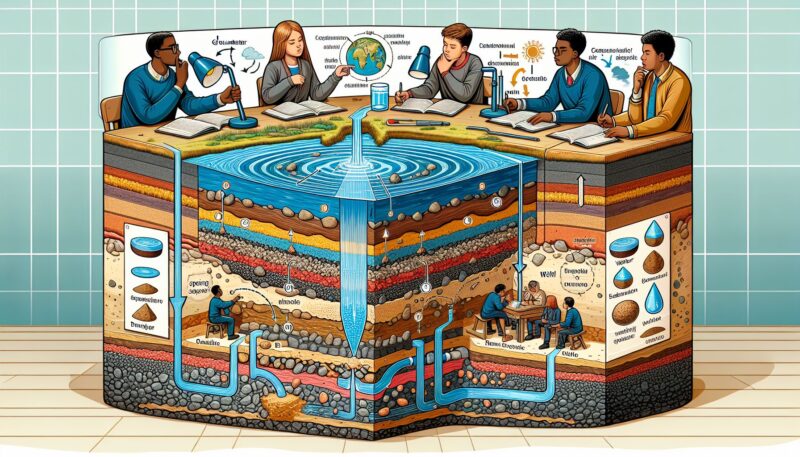
Groundwater is a term that’s rarely discussed with the excitement of mysterious ocean depths or the grandeur of rivers and lakes, yet it is an essential component of the Earth’s hydrology. Hidden beneath our feet, it represents a vital source of freshwater for human consumption, agriculture, and ecosystems. Its invisibility belies its importance—groundwater sustains streams, lakes, wetlands, and importantly, the livelihood of billions. This article delves into the world beneath us, exploring groundwater: what it is, how it forms, moves, and interacts with the environment, the challenges it faces, and the future of this precious hidden resource.
What is Groundwater?
Groundwater is the water that fills the cracks, spaces, and pores in soil, sand, and rock beneath the ground’s surface. It is held in, and moves slowly through, geologic formations of soil, sand, and rocks called aquifers. These underground reservoirs can be drilled into and water can be extracted through wells. A common misconception is that groundwater is a vast underground river or lake, but in reality, it is found in the small spaces between particles and in the fractures of rocks.
The Formation of Groundwater
The journey of groundwater starts with precipitation—rain, snow, hail, or sleet. When water from precipitation does not evaporate, transpire through vegetation, or run off into streams and rivers, it soaks into the ground, a process known as infiltration. Depending on the permeability of the surface material, water will penetrate to varying depths until reaching an impermeable layer that halts its descent. Above this layer, a zone of saturation forms where all the spaces are filled with water; this is called the water table, which is effectively the surface of an unconfined aquifer.
Infiltration and Percolation
The process of water seeping into the ground is known as infiltration, while the downward movement of water through soil and rock is referred to as percolation. The rate at which these processes occur depends on several factors, including soil composition, land cover, and the presence of vegetation.
Aquifers and Their Types
Aquifers are the storage rooms of groundwater and can be categorized as unconfined or confined. Unconfined aquifers are partially filled with water and bordered at the top by the water table; they are readily recharged by surface water. Confined aquifers are bordered between two impermeable layers, making their recharge process slower and more limited. They often contain water that is much older, sometimes known as ‘fossil water’.
The Movement of Groundwater
Groundwater doesn’t remain static—it moves through aquifers under the force of gravity and pressure. The movement is generally slow, measured in centimeters per day, meters per year, or even slower. The speed and direction of groundwater flow are influenced by the slope of the water table and the permeability of the aquifer materials.
Baseflow and Recharge
As groundwater flows, it plays a significant role in keeping rivers, lakes, and wetlands fed during periods of low precipitation. This contribution to streamflow is known as baseflow. Recharge, on the other hand, is the process by which groundwater is replenished—often occurring when there’s excess precipitation or from rivers, lakes, and melted snow that percolates down.
Groundwater’s Role in the Ecosystem
Groundwater is a significant ecological actor. It contributes to the maintenance of wetlands and river flow, which are critical habitats for a multitude of species. It also interacts with surface water, contributing to the overall hydrologic balance and providing resilience against periods of drought.
Challenges Facing Groundwater
Despite its vastness and importance, groundwater is under threat from over-extraction, pollution, and climate change.
Over-Extraction
As surface water becomes scarce or polluted, the reliance on groundwater increases, leading to its over-extraction. This can cause a drop in the water table, making it difficult for the ecosystem and wells to keep up.
Pollution
Contaminants from agricultural runoff, industrial processes, and improper disposal of waste can seep into aquifers, making the water unsafe for consumption and harming aquatic life. Pollution can sometimes require costly cleanup efforts or render an aquifer unusable.
Climate Change
Alterations in precipitation patterns, increased evaporation rates, and rising sea levels associated with climate change all pose risks to groundwater reserves. For instance, climate change could alter recharge rates or cause seawater to intrude into coastal aquifers, increasing their salinity.
Groundwater Management and Protection
Proactive management and protection strategies are critical to ensuring the sustainability of groundwater resources.
Sustainable Withdrawal
To maintain a healthy balance, water withdrawn from aquifers must not exceed the rate at which it’s replenished. Regulating groundwater pumping and creating sustainable water use plans are vital steps.
Pollution Prevention
Protecting aquifers from contamination involves managing land use, controlling sources of pollution, and establishing protective regulations. Cleanup efforts for polluted groundwater can be lengthy and expensive.
Integrated Water Resource Management
Integrated Water Resource Management (IWRM) takes a holistic approach to managing water resources, considering the interdependencies between water use, energy production, and ecological health.
The Future of Groundwater
The future of groundwater relies on our ability to recognize its importance, understand its dynamics, and act to protect it. Groundwater will continue to be a cornerstone of global water supply, but its fate is intrinsically linked to our stewardship. By investing in research, embracing sustainable practices, and employing innovative technologies, we can ensure that groundwater remains a reliable resource for generations to come.
Conclusion
Groundwater may be out of sight, but it should not be out of mind. With sound management practices and a commitment to preserving this crucial resource, we can secure the future of our water supplies. As we endeavor to meet the demands of a growing population and mitigate the impacts of climate change, the role of groundwater will only become more critical. It is a hidden treasure that holds the key to our survival, flourishing ecosystems, and a stable climate.
Sources:
- National Ground Water Association (ngwa.org)
- United States Geological Survey (USGS) Water Science School (water.usgs.gov/edu)