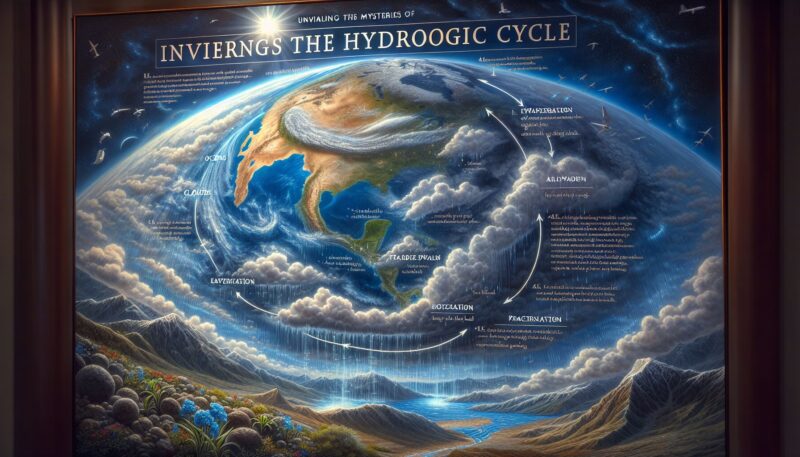
Hidden within the cycles of nature lies the hydrologic cycle, a complex and vital process that sustains life as we know it on planet Earth. This continuous system, driven by the energy of the sun, dictates the movement of water within the hydrosphere, encompassing all the waters of our planet. The hydrologic cycle exemplifies the intricate balance and interdependence of Earth’s water bodies – from the deepest aquifers to the expansive oceans. As an inconspicuous backdrop to human activity, it is both a scientific marvel and an essential resource management challenge.
What Is the Hydrologic Cycle?
The hydrologic cycle, also known as the water cycle, is a perpetual motion machine choreographed by the forces of nature. It showcases water’s journey as it circulates from the atmosphere to the Earth’s surface and back again. This cycle is pivotal for the sustenance of all ecological systems and for human survival.
The Stages of the Hydrologic Cycle
Evaporation
The saga of the hydrologic cycle begins with evaporation. Under the sun’s heat, water from the surface of rivers, lakes, and oceans turns into water vapor. Plants also contribute through transpiration, where water evaporates from leaves. Together, these processes charge the atmosphere with moisture.
Condensation
As water vapor ascends and cools in the atmosphere, it transforms into tiny droplets or ice crystals, forming clouds in a process known as condensation. This airborne water storage is a fundamental redistribution mechanism of the cycle.
Precipitation
When clouds become heavy, they release moisture in various forms of precipitation — rain, snow, sleet, or hail — depending on the atmospheric conditions. This phase completes the atmospheric leg of the journey, returning water to Earth’s surface.
Infiltration and Percolation
Upon reaching the ground, precipitation takes one of two paths: it either infiltrates the soil or becomes surface runoff. Infiltration soaks water into the ground, where it moves deeper through percolation, feeding aquifers and becoming groundwater.
Runoff and Streamflow
Alternatively, as runoff, water travels over the land, carving rivers and shaping landscapes, eventually joining lakes or the ocean. As part of streamflow, water’s movement is divided between runoff and baseflow (groundwater seeping into streams), dynamically linking land and sea.
Groundwater Flow
Invisible yet integral, groundwater traverses through soil and rock, emerging eventually to feed streams or as springs. This slow journey is a crucial part of the water cycle, often providing clean, filtered water.
Recharge and Discharge
Aquifers, nature’s underground storage systems, are replenished through recharge, as water percolates down. Discharge occurs when this water naturally flows out to springs or artificially through wells for human use.
Interconnection of Water Bodies
Water relentlessly cycles through different phases and locations — rivers, lakes, the atmosphere, glaciers, and underground reservoirs. This connectivity means changes in one area, like a polluted stream or a depleted groundwater reservoir, can have cascading effects across the entire cycle.
The Importance of the Hydrologic Cycle
The hydrologic cycle is not just a scientific curiosity; it underpins all aspects of life.
-
Climate Regulation: Water circulating in the atmosphere influences weather and climate patterns, buffering against temperature extremes.
-
Ecosystem Support: Freshwater habitats depend on the cycle for survival, maintenance, and biodiversity.
-
Resource Provision: Freshwater supply for drinking, agriculture, and industry hinges on this natural cycle.
-
Water Quality Maintenance: The filtration aspect of water through soil and recharge into aquifers naturally purifies water, making it safer for consumption.
Human Impact and Water Cycle Alteration
Human activity exerts a significant force, altering natural water paths:
-
Climate Change: As the atmosphere warms, evaporation rates and precipitation patterns shift, leading to droughts or floods and disruption of ecosystems.
-
Urbanization: Impervious surfaces create more runoff, reduce infiltration, and exacerbate flooding. Construction of dams and reservoirs also alters natural flow regimes and distribution.
-
Pollution: Contaminants from various sources disrupt water quality throughout the cycle, affecting ecosystems, human health, and water availability.
-
Overuse of Groundwater: Excessive withdrawal for agriculture, industry, and personal use depletes aquifers, reducing baseflow to streams and potentially causing subsidence and other geological consequences.
Addressing the Challenges Through Water Management
Sustainable water management practices are critical for preserving the equilibrium of the hydrologic cycle:
-
Integrated Water Resources Management (IWRM): A cross-sectoral approach ensures coordinated and sustainable management of water and land resources[^1].
-
Green Infrastructure: Strategies like green roofs and permeable pavements mimic natural processes, increase infiltration, and reduce stormwater runoff[^2].
-
Conservation and Efficiency: From innovative irrigation practices in agriculture to low-flow fixtures in residential settings, efficient water use mitigates the pressure on the water cycle[^3].
-
Water Quality Regulations: These standards safeguard against pollution, maintaining the health of the cycle and ensuring safe water for all uses.
Conclusion
Understanding and respecting the hydrologic cycle is crucial for current and future generations. Its ceaseless motion connects and nourishes all life, weaving together the fate of diverse ecosystems and human societies. Through education, conservation, and sustainable management practices, we can honor this earliest of Earth’s cycles and safeguard the liquid treasure that is water for the survival of our blue planet.
[^1]: United Nations Environment Programme (UNEP): Integrated Water Resources Management. Link
[^2]: U.S. Environmental Protection Agency (EPA): Green Infrastructure. Link
[^3]: Water Use It Wisely: 100+ Ways to Conserve Water. Link