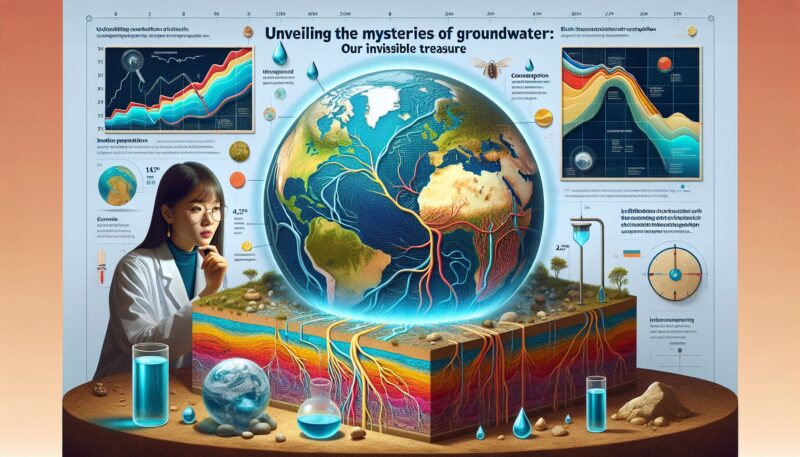
Groundwater is often out of sight and out of mind, yet it is a crucial component of our lives and the environment. As an essential resource beneath the Earth’s surface, it supports ecosystems, sustains agriculture, and provides drinking water to billions. This hidden treasure is at the core of the hydrologic cycle, influencing water bodies above the ground and maintaining the equilibrium of the hydrosphere. In this comprehensive article, we will delve into the intricacies of groundwater, its significance, how it interacts with other elements of the hydrologic cycle, and the challenges it faces.
What is Groundwater?
Groundwater is the water that permeates through soil and rock, filling the porous spaces underground. It accumulates in aquifers, which are geological formations capable of storing and yielding significant amounts of water. The journey of water from the surface to these underground reserves is a fascinating process entwined within the hydrologic cycle.
The Hydrologic Cycle and Groundwater
The hydrologic cycle describes the continuous movement of water on, above, and below the surface of the Earth. When precipitation falls to the ground, several outcomes are possible. Water can run off into rivers and streams, become absorbed by plants, evaporate back into the atmosphere, or infiltrate the ground.
Infiltration and Percolation
Infiltration is the process by which water on the ground surface enters the soil. As it moves deeper into the ground, the process is referred to as percolation. Percolation continues until the water reaches a layer impermeable to water or an aquifer.
Recharge and Discharge
Recharge occurs when the water infiltrating the soil replenishes an aquifer. This can happen slowly over time or more rapidly in areas where the geological conditions allow easy passage of water. The natural discharge of groundwater is a crucial component of streamflow in rivers and contributes to the baseflow that maintains streams during dry periods.
Significance of Groundwater
Groundwater is a priceless resource for several reasons:
- Drinking Water Supply: Over 2 billion people rely on groundwater for their daily water needs.
- Agricultural Use: It is a major source of irrigation, supporting global food production.
- Industrial Activity: Many industries use groundwater in their operations.
- Ecosystem Support: Groundwater feeds springs and wetlands, maintaining habitats and biodiversity.
The Challenge of Maintaining Groundwater Quality
Maintaining the purity of groundwater is vital for health and environmental reasons. Several factors threaten its quality:
Contaminants
- Heavy Metals and Chemicals: Industrial and agricultural activities contribute heavy metals and chemicals to groundwater through surface runoff and infiltration.
- Nutrients: Excessive amounts of nutrients, such as nitrates and phosphates, can also leach into groundwater from fertilized fields.
- Pathogens: Poorly managed sewage systems can introduce harmful microorganisms into aquifers.
- Microplastics: These emerging contaminants are now being detected in groundwater sources.
Eutrophication and Algal Blooms
Nutrient-rich groundwater can discharge into lakes and streams, leading to eutrophication and sometimes causing harmful algal blooms. These blooms can deplete dissolved oxygen in water bodies, affecting aquatic life.
Overuse and Depletion
Groundwater is being withdrawn at unsustainable rates in many regions, leading to a decline in aquifer levels. This overuse can result in problems like land subsidence and reduced surface water flows.
Groundwater Management and Protection
Efficient management practices are crucial for ensuring the sustainability of groundwater resources.
Water Treatment
Techniques like reverse ososis, chlorination, and UV irradiation ensure that groundwater is safe for consumption when extracted.
Conservation Measures
Water conservation is crucial. Measures include effective irrigation practices, rainwater harvesting, and greywater reuse. Additionally, policies aimed at controlling pollution and preserving recharge areas are necessary.
International Water Law and Diplomacy
Given that groundwater reserves often extend across international borders, water diplomacy and shared legal frameworks are necessary to manage these resources sustainably.
Local and Community Efforts
Local initiatives such as community-based watershed management and public awareness campaigns can play an important role in the protection of groundwater.
Conclusion
Groundwater is an invisible yet invaluable resource that supports life and ecosystems. As hidden as it might be, the health and sustainability of groundwater are vital to our future. By understanding the complexities of groundwater, how it interlinks within the hydrologic cycle, and the threats it faces, nations and communities can work together to safeguard this treasure for generations to come.
Sources:
- U.S. Geological Survey: Groundwater and Surface Water A Single Resource USGS Circular 1139.
- World Health Organization: Guidelines for Drinking-Water Quality, 4th Edition WHO.
- United Nations Educational, Scientific and Cultural Organization (UNESCO): Groundwater Resources Assessment under the Pressures of Humanity and Climate Change GRAPHIC.