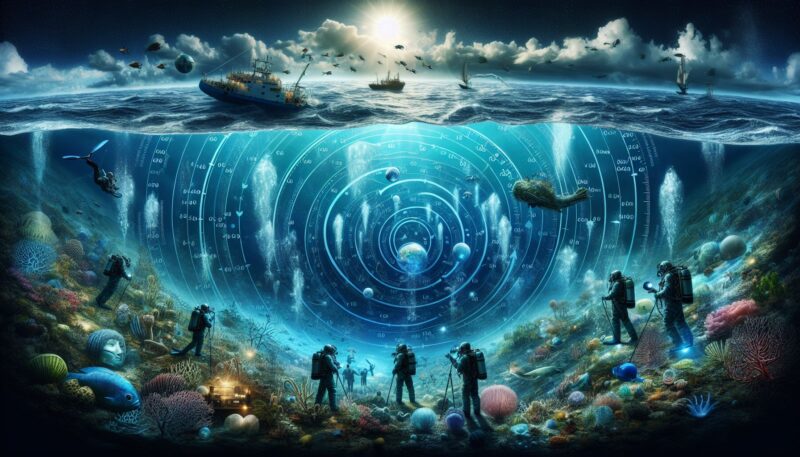
The hydrosphere encompasses all the water on Earth’s surface, including oceans, rivers, lakes, and even the moisture in the atmosphere. It’s a component of Earth’s system that is both abundant and crucial; it not only supports a myriad of ecosystems but also shapes our climate and weather patterns. To understand the hydrosphere is to gain insight into a powerful force that can create life, transform landscapes, and influence global cycles.
What is the Hydrosphere?
The term “hydrosphere” defines the collective mass of water found on, under, and over the surface of a planet. On Earth, it’s a vast system that includes liquid water in the oceans, rivers, and lakes, the frozen water in glaciers and ice caps, and water vapor in the atmosphere.
The Extent of the Hydrosphere
Covering about 71% of Earth’s surface, the hydrosphere plays a central role in the planet’s climate and supports a wide array of life forms. The most significant component of the hydrosphere is the ocean, which accounts for about 97% of Earth’s water. The remaining 3% is found in glaciers, ice caps, and freshwater sources such as rivers, lakes, and underground aquifers.
The Hydrologic Cycle: Earth’s Water Recycling System
The hydrologic cycle is a continuous movement of water within the hydropsphere, which transfers water from one reservoir to another through processes like evaporation, condensation, precipitation, infiltration, runoff, and subsurface flow.
Evaporation and Transpiration
Water from the oceans, lakes, rivers, and soil evaporates into the atmosphere due to solar radiation. In addition, plants contribute to this process through transpiration, releasing water vapor from their leaves into the air.
Condensation and Precipitation
This water vapor eventually cools and condenses into clouds. When these clouds become saturated, precipitation occurs in various forms such as rain, snow, sleet, or hail, returning water to the Earth’s surface.
Infiltration, Percolation, and Runoff
Once on the surface, water infiltrates the soil, some of which percolates down to refill aquifers and groundwater sources. If the soil cannot absorb all the precipitation, or if snow melts rapidly, the excess water becomes surface runoff, traveling over the soil and feeding into rivers, lakes, and eventually the oceans.
Baseflow and Streamflow
Baseflow refers to the part of a river’s flow that is sustained by seeping groundwater, while streamflow is the total flow of the river, including surface runoff and baseflow.
Groundwater and Aquifers
Groundwater, another critical component of the hydrosphere, is water located beneath Earth’s surface in soil pore spaces and in the fractures of rock formations. Aquifers are structures of permeable rock or sediments that hold and transmit groundwater.
Recharge and Discharge
Groundwater systems are replenished by recharge, where water from precipitation and surface waters infiltrates the ground. Discharge is the process where groundwater moves back to the surface naturally at springs or artificially through wells.
Watersheds and Drainage Basins
A watershed, also known as a catchment or drainage basin, is an area of land where all the precipitation that falls converges to a single point, usually a river or lake outlet, through the network of rivers and streams.
Importance of Watersheds
These areas not only provide water for communities, agriculture, and ecosystems but are also critical for managing environmental pollutants and maintaining the overall health of the aquatic ecosystems.
Freshwater and Marine Ecosystems
The hydrosphere integrates a variety of ecosystems from freshwater lakes and rivers to vast marine environments like oceans and estuaries. Wonders such as coral reefs, mangroves, and wetlands all exist within the hydrosphere and provide vital services for biodiversity, carbon storage, and protection against extreme weather events.
Unique Challenges
However, these ecosystems face significant threats, including pollution, climate change, and overfishing. Protecting and conserving the hydrosphere is, therefore, a priority for maintaining Earth’s biodiversity and the well-being of human societies.
The Threats to the Hydrosphere
Human activities and climate change are impacting the hydrosphere, altering water quality and availability across the globe.
Water Pollution
Human-induced water pollution from activities such as industrial discharges, agricultural runoff, and improper waste disposal threatens ecosystems and human health. The presence of heavy metals, pathogens, and microplastics can have devastating effects on water quality.
Climate Change Impacts
Climate change, with its increasing temperatures and changing precipitation patterns, affects the hydrosphere by altering the distribution of water resources, melting glaciers, and leading to more frequent and severe droughts and floods.
Addressing Water Challenges: Sustainable Practices and Technologies
To cope with these challenges, new technologies and conservation practices are vital. These include advanced water treatment methods, rainwater harvesting, greywater reuse, and measures to improve water use efficiency.
Water Treatment Technologies
Modern water treatment technologies utilize processes such as reverse osmosis, filtration, chlorination, ozonation, and UV irradiation to purify water, making it safe for human consumption and use.
Conservation and Management
Moreover, integrated water resource management and water conservation are crucial for addressing water scarcity and ensuring the sustainable use of hydrosphere resources for future generations.
Conclusion: The Importance of Protecting the Hydrosphere
The hydrosphere is a dynamic and life-sustaining component of Earth. Its preservation and careful management are crucial in maintaining biodiversity, supporting economies, and ensuring a continual, clean water supply for all life forms. By better understanding the processes and challenges of the hydrosphere, humanity can develop solutions to protect this vital resource and sustain the planet’s water cycle for the benefit of all.
Sources
To further explore the topics presented in this article, please refer to the following sources:
1. “Water in the Earth System,” US Geological Survey (USGS). (https://www.usgs.gov/special-topics/water-science-school/science/water-you-water-and-earth-system)
2. “Water Resource Management,” United Nations Environmental Programme (UNEP). (https://www.unep.org/explore-topics/water/overview-water)
By carefully stewarding the hydrosphere, we not only ensure the health of countless ecosystems but also secure the future of human societies in harmonious balance with the natural world.